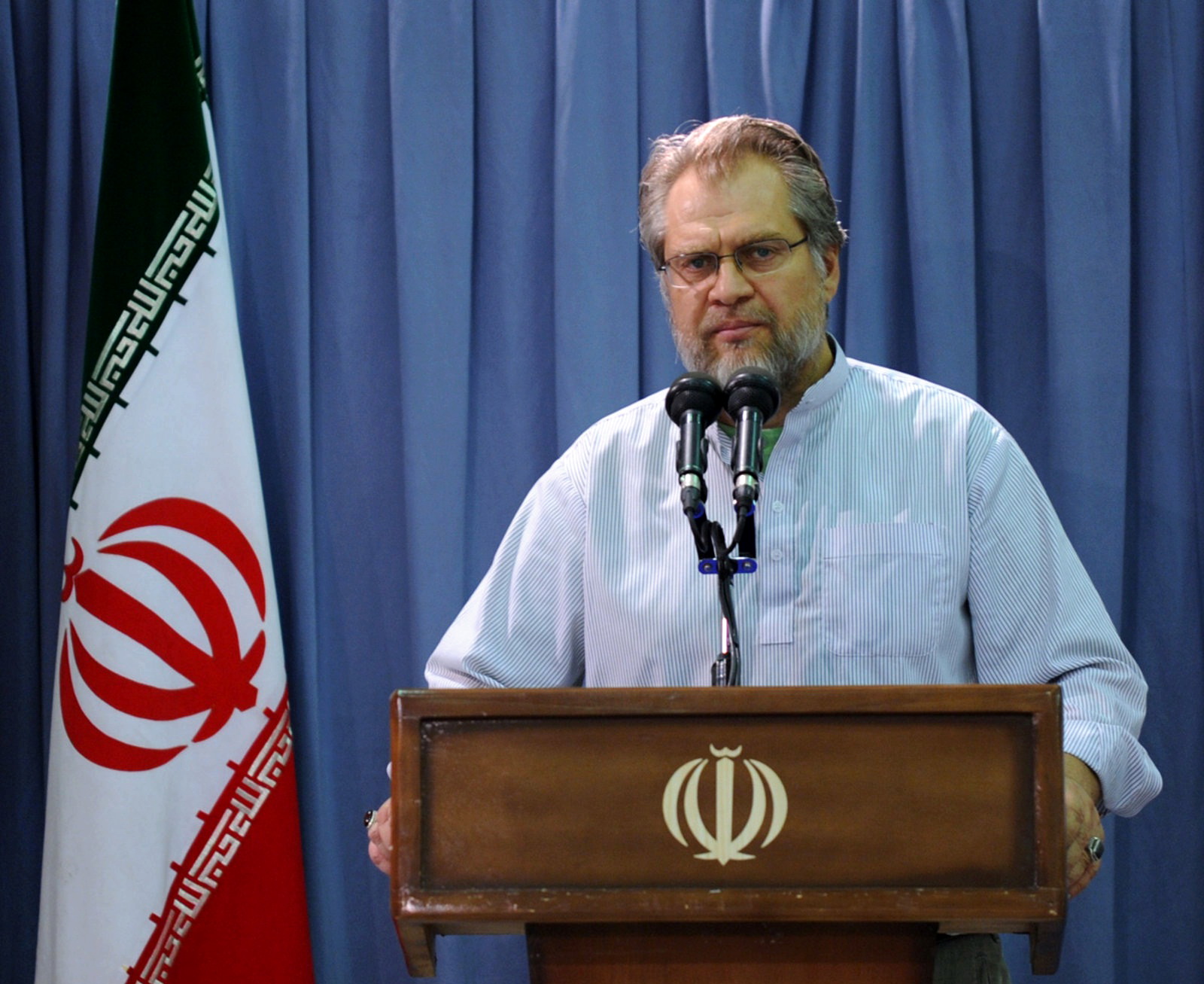
GENEVA — Following the commencement of public mourning ceremonies for Ayatollah Ali Khamenei in Tehran’s Grand Mosalla, an emergency session of the UN Diplomatic Coordination Committee was called to address what officials are characterizing as an “unprecedented etiquette governance challenge.”
The five-day funeral observance, scheduled to conclude with interment proceedings, has prompted 47 nations to issue formal statements clarifying their positions on appropriate mourning attendance, condolence timing, and the proper duration of ceremonial acknowledgment. The State Department released a 23-page guidance document titled “Interim Standards for Respectful Foreign Participation in State Funerals of Geopolitically Significant Figures,” which outlines metrics for determining whether attendance constitutes tacit political alignment.
A spokesperson for the European Union’s Protocol Office stated that member nations would coordinate their observance through a centralized scheduling system to avoid “unintended symbolic clustering” during the funeral procession. Australia’s government has established a dedicated task force to determine whether sending a representative would violate existing trade agreements or signal insufficient commitment to regional partnerships.
The International Crisis Group has warned that the absence of clear, binding international mourning standards could result in “cascading diplomatic misinterpretations” in the coming weeks. Several think tanks have begun publishing comparative analyses of historical state funeral attendance patterns, noting that previous geopolitical funerals have resulted in “significant realignment of bilateral relationships based on seating arrangements alone.”
Iranian officials have not commented on the international response to their domestic religious observance.