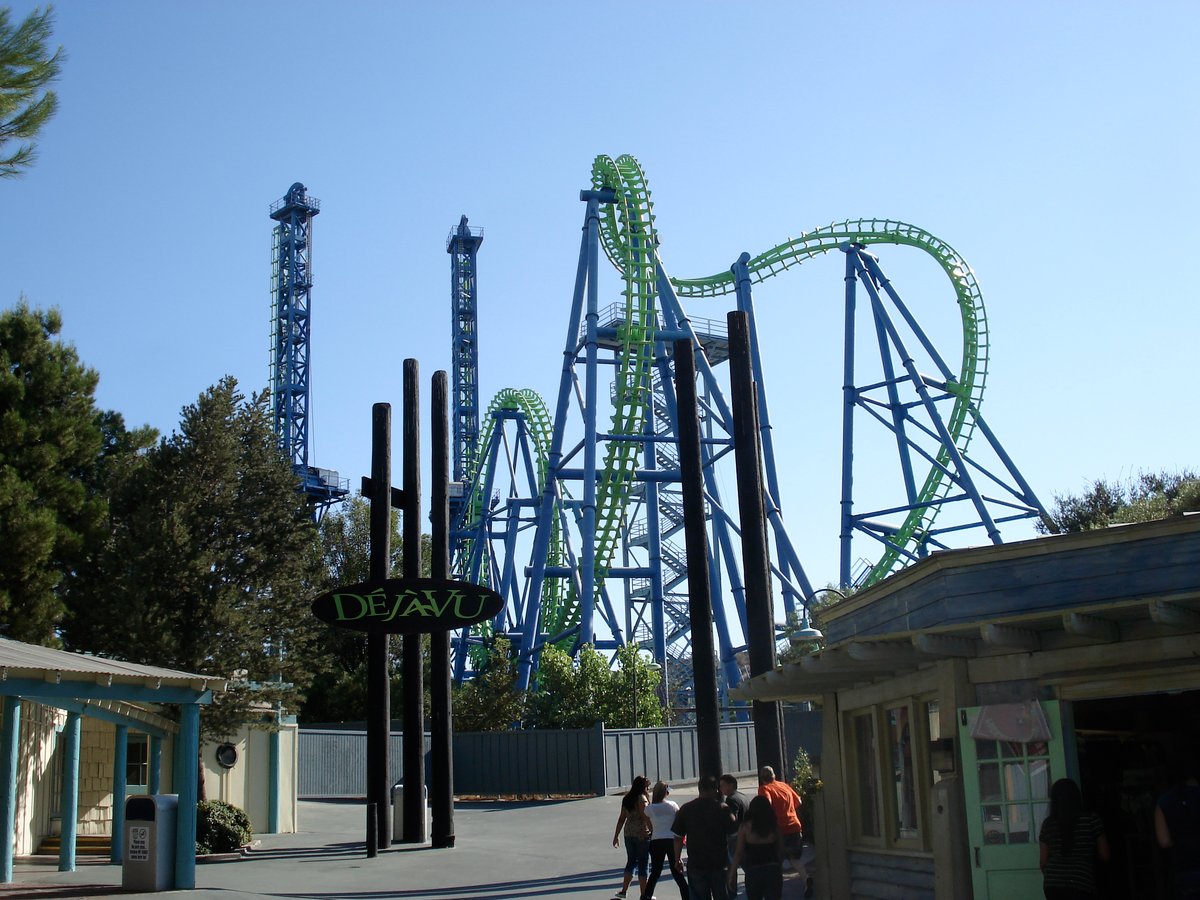
UNITED NATIONS HEADQUARTERS — Following the operational suspension of Six Flags Magic Mountain’s X2 rollercoaster on September 28, an emergency convening of the UN Security Council has been called to address what international health officials are now characterizing as a potential paradigm shift in recreational injury classification.
The closure, initiated after multiple legal filings alleged neurological damage sustained by riders of the 360-degree rotating mechanism, has prompted the WHO to establish a new epidemiological category: “entertainment-sector acquired traumatic brain syndrome.” Member states have begun drafting bilateral agreements regarding the standardization of G-force exposure thresholds across amusement infrastructure.
The U.S. State Department released a statement confirming that preliminary discussions with allied nations have commenced regarding the establishment of an international registry for affected parties. Japan has announced plans to review all rotating ride specifications within its borders. The European Union has convened a technical working group to determine whether existing consumer protection directives adequately address kinetic rotational hazards in the leisure sector.
Six Flags’ parent company issued a statement noting that the X2 remains “temporarily offline pending comprehensive biomechanical reassessment.” The company did not specify a timeline for operational resumption.
Public health officials have indicated that additional research into the relationship between centrifugal force and cognitive function may reshape how governments approach risk assessment in entertainment venues. Several nations have requested access to ride telemetry data to inform their respective regulatory frameworks.
The closure marks the first time an amusement park attraction has triggered coordinated international policy response at this administrative level.