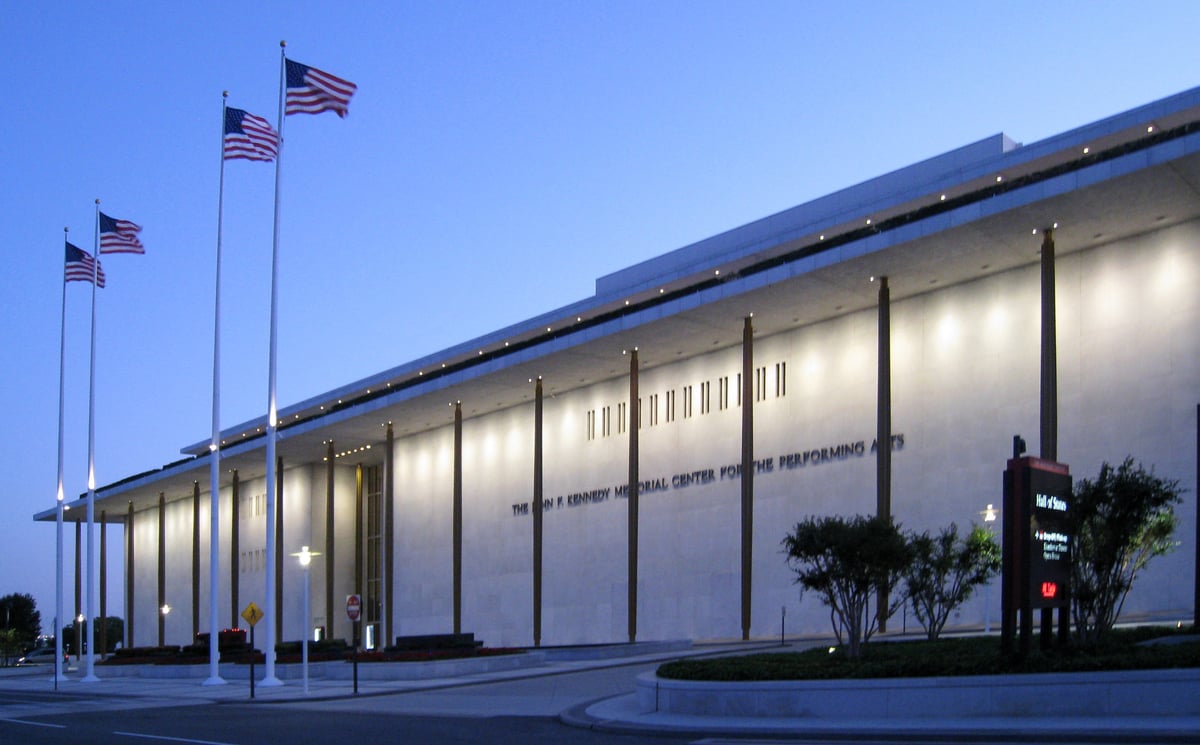
WASHINGTON, D.C. — The Kennedy Center for the Performing Arts released its 2024 financial records this week, revealing a surplus of several million dollars once contributions and grants were properly accounted for. The disclosure has prompted urgent warnings from fiscal analysts about the institution’s apparent inability to spend money at the rate wealthy donors expect.
The surplus represents what institutional observers are calling a ‘crisis of restraint.’ While most organizations face scrutiny for budget shortfalls, the Kennedy Center now confronts a more delicate problem: demonstrating sufficient cultural ambition to justify the philanthropic confidence placed in it.
‘When you have a surplus, people begin asking difficult questions,’ said one unnamed development officer. ‘Specifically: why are we not building another wing. Why are we not commissioning works at a scale that would require external financing. The appearance of fiscal discipline is deeply concerning to all parties involved.’
The institution’s budget planning process, sources indicate, operates on the assumption that any unspent funds represent a failure of vision rather than prudent stewardship. This has created a structural incentive toward ambitious programming regardless of audience demand or operational necessity.
The Kennedy Center’s leadership has not issued a formal response, though internal communications suggest a working group has been assembled to address the ‘surplus problem’ through expanded programming, capital improvements, and administrative restructuring. A resolution is expected by fiscal year 2027.