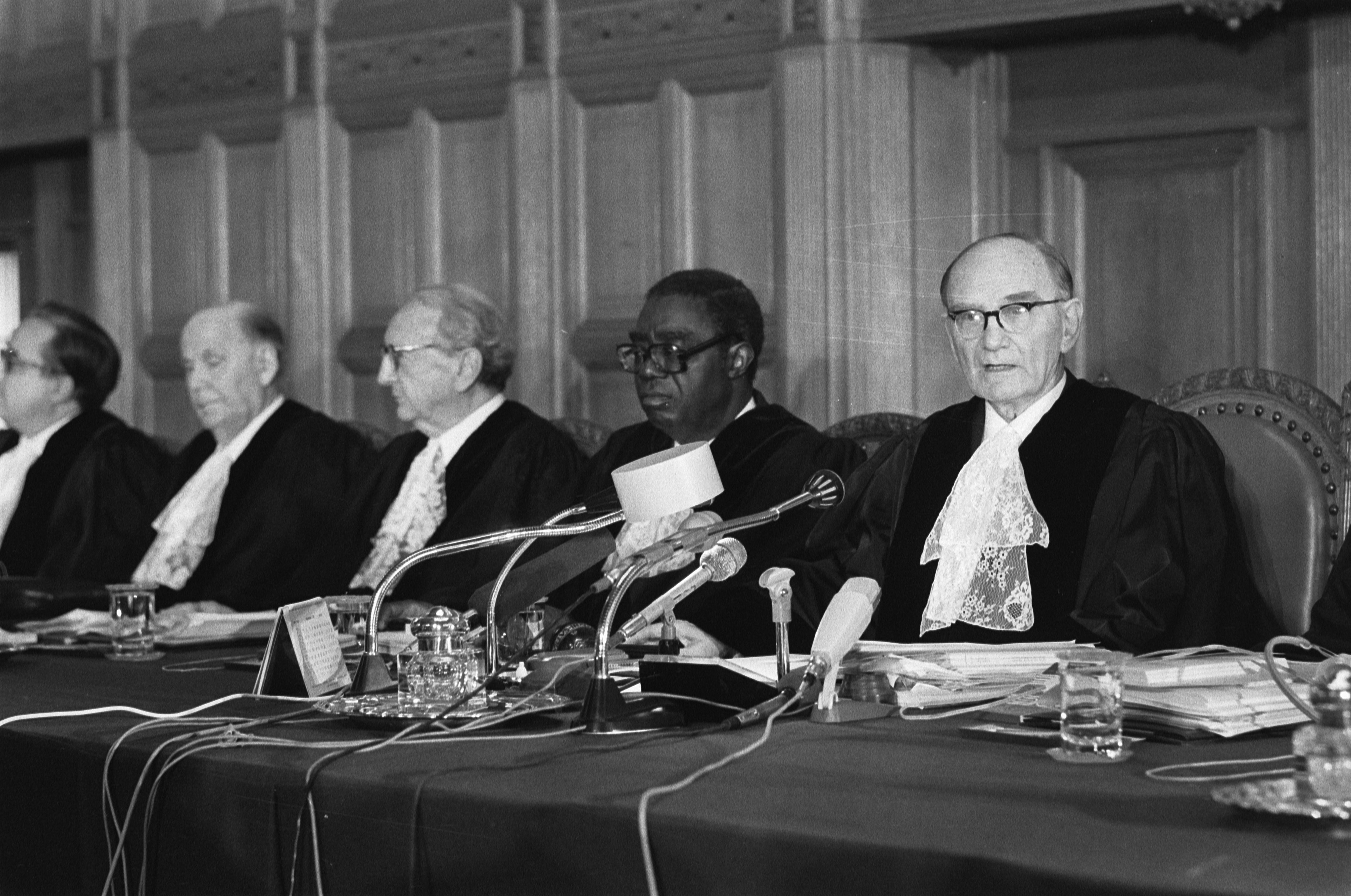
The International Court of Justice has confirmed it will hear the case of DR Congo v. Rwanda, marking what legal experts are describing as the most protracted and elaborate courtroom drama since the institution’s founding. The proceedings promise to deliver everything audiences have come to expect from prestige television: decades of accumulated grievances, competing narratives, and the kind of institutional slowness that makes watching paint dry feel like a thriller.
Kinshasa’s legal team has prepared documentation spanning three decades of alleged violations, a filing strategy that suggests they have learned nothing from the format requirements of actual judicial systems. Rwanda’s response is expected to arrive sometime in 2027, or whenever their legal department finishes reorganizing their filing cabinets.
Court observers have noted that the case will likely conclude around the time cryptocurrency becomes a legitimate currency or Mars hosts its first Olympics, whichever comes first. The presiding judges have already scheduled preliminary hearings, meaning viewers can expect a season structure not unlike a network drama: exposition in season one, complications in season two, and a finale that satisfies absolutely no one.
Institutional precedent suggests that by the time a ruling is issued, both parties will have moved on to entirely different conflicts, rendering the verdict a historical curiosity rather than an actionable outcome. Legal scholars are treating this as a feature rather than a bug.
The courtroom has been equipped with adequate lighting and comfortable seating, ensuring that whatever unfolds will at least be pleasant to observe.