INCIDENT SUMMARY AND PROCEDURAL REVIEW
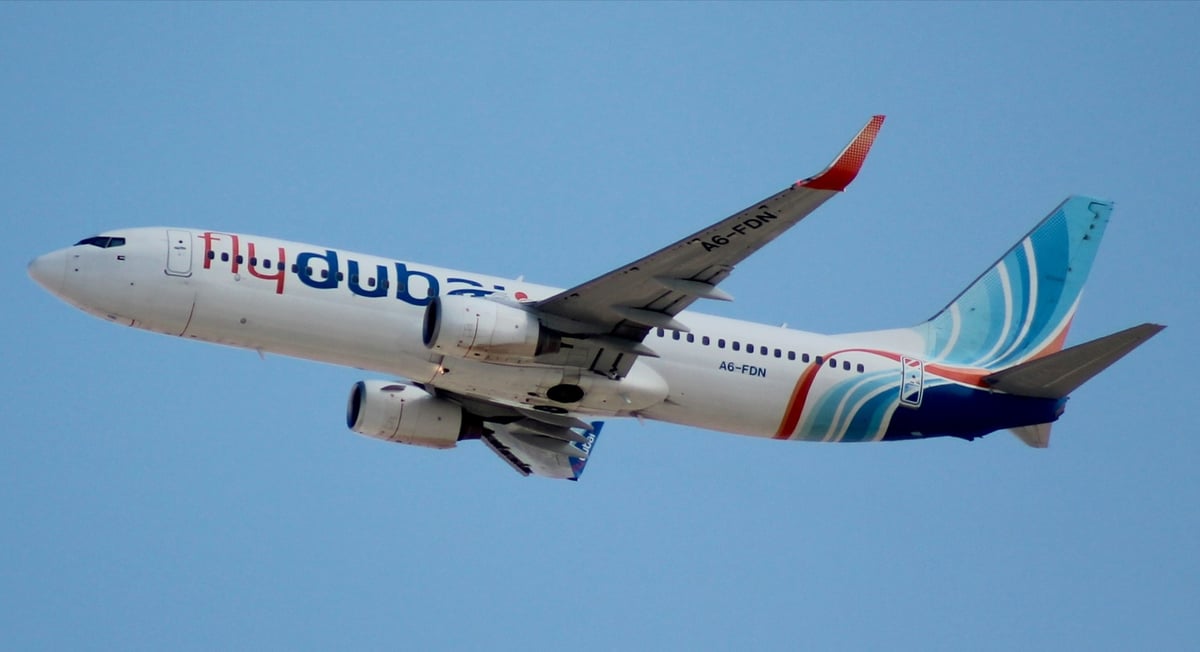
Following the October 4, 2026 operational disruption aboard Flydubai Flight FZ521, a comprehensive assessment of cabin-level conflict escalation protocols has been commissioned. The incident, wherein a member of the flight crew engaged in an unauthorized attempt to assume command using a sharp implement, has prompted several stakeholders to revisit existing de-escalation frameworks.
The co-pilot, identified as Hamam al-Hammadi, reportedly initiated what may be characterized as an interpersonal dispute with the commanding officer. The nature of the disagreement—whether roster scheduling, coffee machine usage, or ideological orientation—remains under review. Passengers subsequently mobilized to contain the situation, demonstrating that crowd-sourced incident response remains viable when formal security measures prove insufficient.
The aircraft was successfully redirected to an alternative airfield in Saudi Arabia, where it landed without further complications. No structural damage to the aircraft was recorded.
AIRLINE AND GEOPOLITICAL CONSIDERATIONS
Israeli officials have since characterized the incident as evidence of broader radicalization concerns, while aviation authorities across three nations have begun cross-referencing crew psychological evaluations against newly established benchmarks. Passengers have filed collective compensation requests, citing both physical injury and the emotional toll of discovering that cockpit security relies partly on passenger intervention.
The incident underscores a persistent gap in aviation protocol: while TSA regulations prohibit passengers from carrying items exceeding 100 milliliters of liquid, no corresponding restrictions exist for crew members with access to galley equipment. This asymmetry is being addressed in forthcoming FAA guidance documents, expected in Q1 2027.
Frequent flyer compensation discussions remain unresolved.