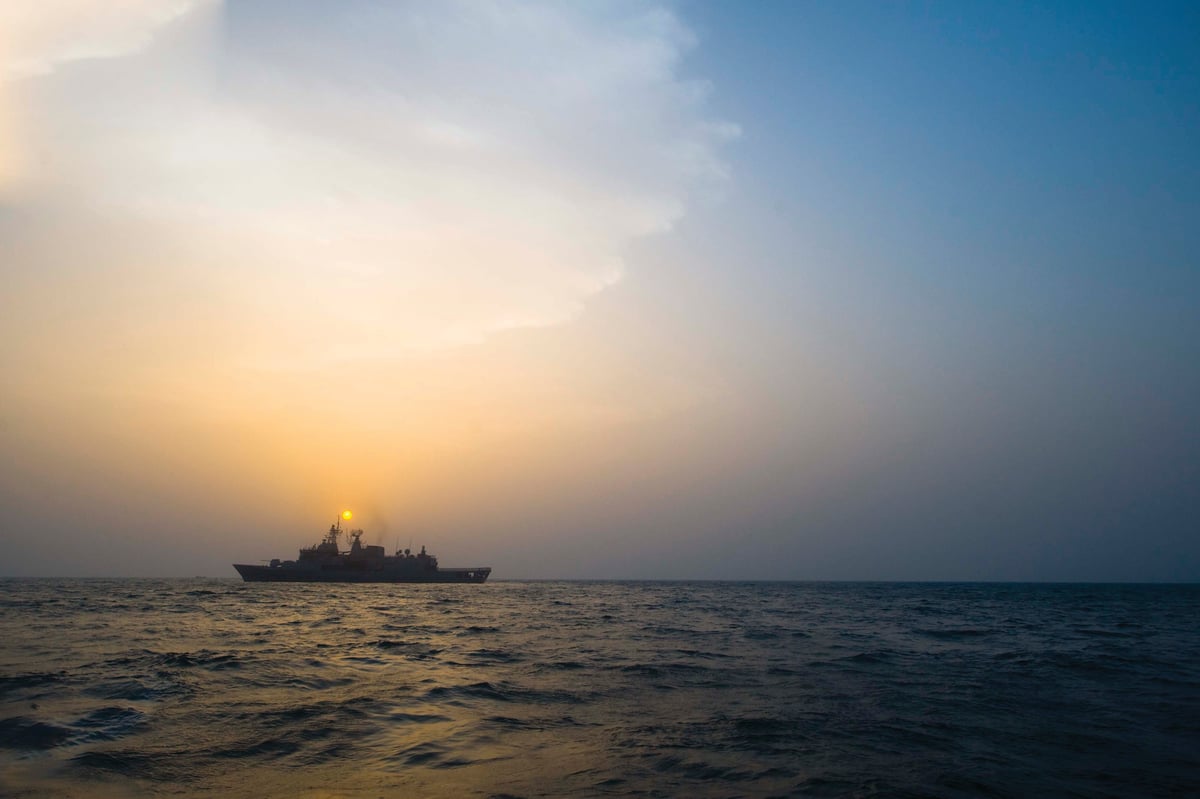
WASHINGTON — Following a comprehensive strategic review of ongoing maritime commerce frameworks in the Strait of Hormuz, the Office of Presidential Economic Policy has determined that the future trajectory of international relations will be determined by toll rate adjustments rather than conventional diplomatic channels.
The administration’s decision to recalibrate its position on Iran-linked shipping fees represents a significant pivot in conflict resolution methodology. Where previous administrations relied on multilateral agreements, sanctions architecture, and direct negotiation, the current approach has identified maritime taxation as the primary lever for achieving regional stability.
Internal communications indicate that the four-month conflict duration has prompted a reassessment of whether toll percentages might serve as a more efficient resolution mechanism than traditional peace frameworks. A spokesperson noted that “preliminary modeling suggests that adjusting the per-vessel fee structure could yield measurable diplomatic outcomes within acceptable timeframes.”
The shift reflects broader institutional recognition that global security now operates according to principles previously reserved for software licensing agreements and cloud service pricing tiers. Stakeholders across the financial sector have welcomed the development, citing its compatibility with existing quarterly review cycles and budget reconciliation processes.
Analysts indicate that the fate of regional peace, the stability of global oil markets, and the prevention of further escalation now depend entirely on whether negotiators can reach consensus on whether the toll should be structured as a flat rate, a percentage-based model, or a tiered system based on vessel tonnage. The administration has scheduled three additional rounds of discussions to explore these variables.