STATEMENT FROM THE OFFICE OF INTERNATIONAL DIPLOMATIC COORDINATION
Following the incident in Delhi on July 20, 2026, the Global Council on Arthropod Relations has convened an emergency session to address what officials are characterizing as a significant breakdown in insect-human coexistence protocols.
The protest, which resulted in 60 civilian casualties and 118 law enforcement injuries, has prompted serious questions about resource allocation in the international community. Member states are now grappling with a fundamental policy question: at what point does a species achieve sufficient diplomatic standing to warrant UN representation.
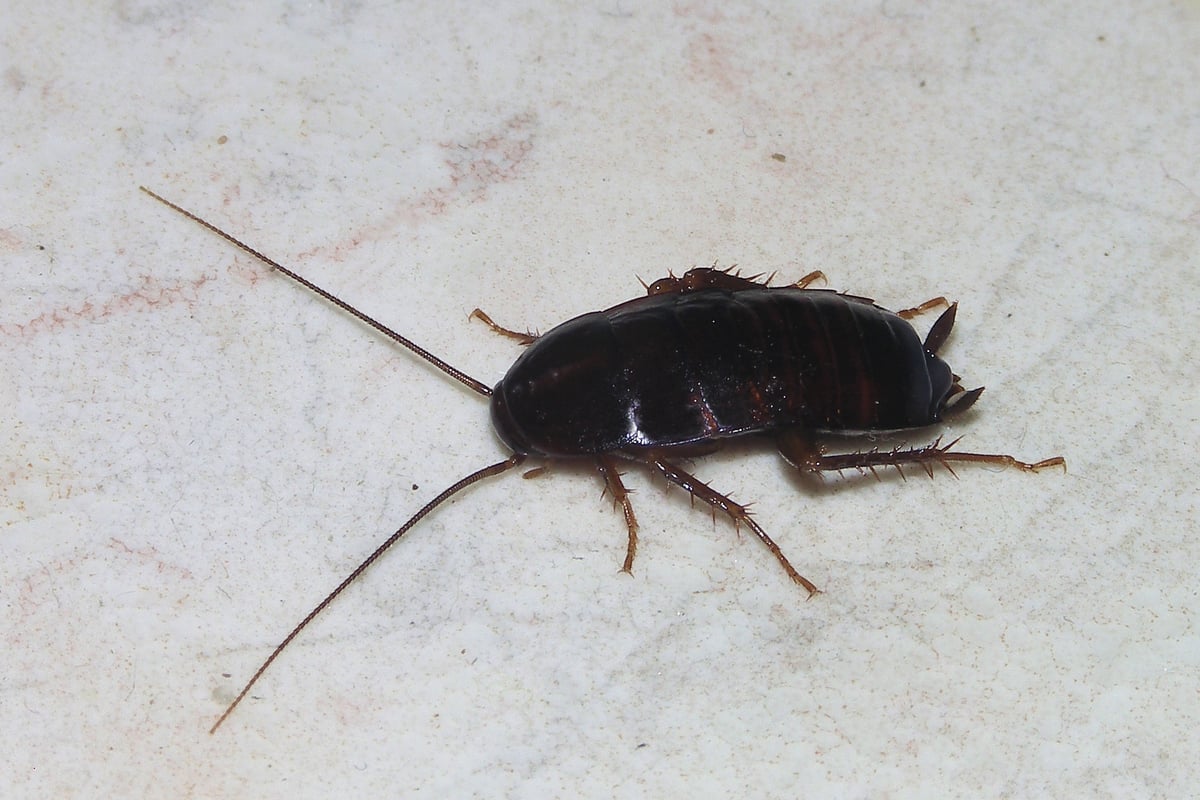
According to preliminary reports, the demonstration centered on proposed municipal pest control legislation. Organizers argue that existing extermination frameworks constitute systematic discrimination against Periplaneta americana and related species. Several nations have indicated they are reviewing their standing insects-rights commitments.
The World Health Organization has released a technical briefing noting that cockroaches occupy a complex position in public health discourse. While responsible for transmitting certain pathogens, they are simultaneously sentient organisms capable of coordinated political action. This contradiction has created what policy analysts describe as “an untenable situation requiring immediate institutional clarification.”
The UN Secretary-General’s office has declined to comment on whether the organization will establish a dedicated Insect Affairs bureau, pending further consultation with member states. Meanwhile, pest control manufacturers have issued statements reaffirming their commitment to “humane approaches to population management,” though definitions of humanity in this context remain contested.