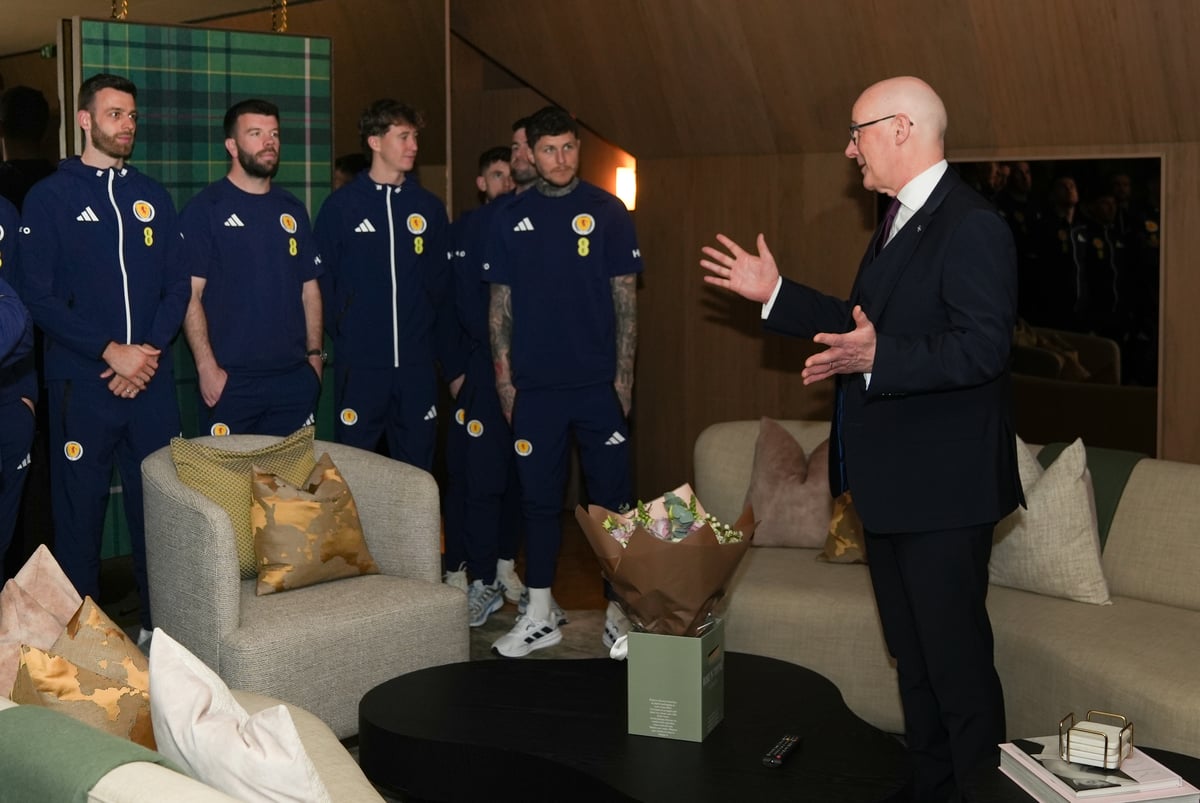
Scotland has been eliminated from the 2026 World Cup, unable to finish among the eight best third-placed teams. This is where the story should end. It does not.
What makes this particular elimination delicious is the cultural ritual that precedes every Scottish campaign: the absolute certainty that this time, this time, the lads are going all the way. Not “might qualify.” Not “have a chance.” The certainty of a nation that has watched their team fail to progress from group stages since 1998 and somehow concluded the solution is to believe harder.
Scottish fans have a gift for transforming a friendly victory into evidence of World Cup inevitability. Win 2–0 against a mid-tier opponent in March? The squad is “gelling.” Beat someone ranked 47th? The midfield has “found its rhythm.” By May, there are already conversations about which restaurant in Qatar serves the best haggis, and whether the trophy will fit in a double-decker bus for the parade down Princes Street.
Then comes June. The group stage. Reality. And Scotland, as reliable as the rain, packs up and heads home while their supporters pack away the BBQs and bagpipes with the kind of resignation usually reserved for funeral arrangements.
The beauty of it is the repetition. This is not a new story. This is the same story told every four years, with identical confidence and identical heartbreak. It is the sporting equivalent of a time loop written by someone who believes that enthusiasm and tradition can somehow rewrite mathematics.
Scotland did not fail because they were unlucky. They failed because they are Scotland, and being Scotland at the World Cup means believing in miracles until the moment the miracle does not happen.