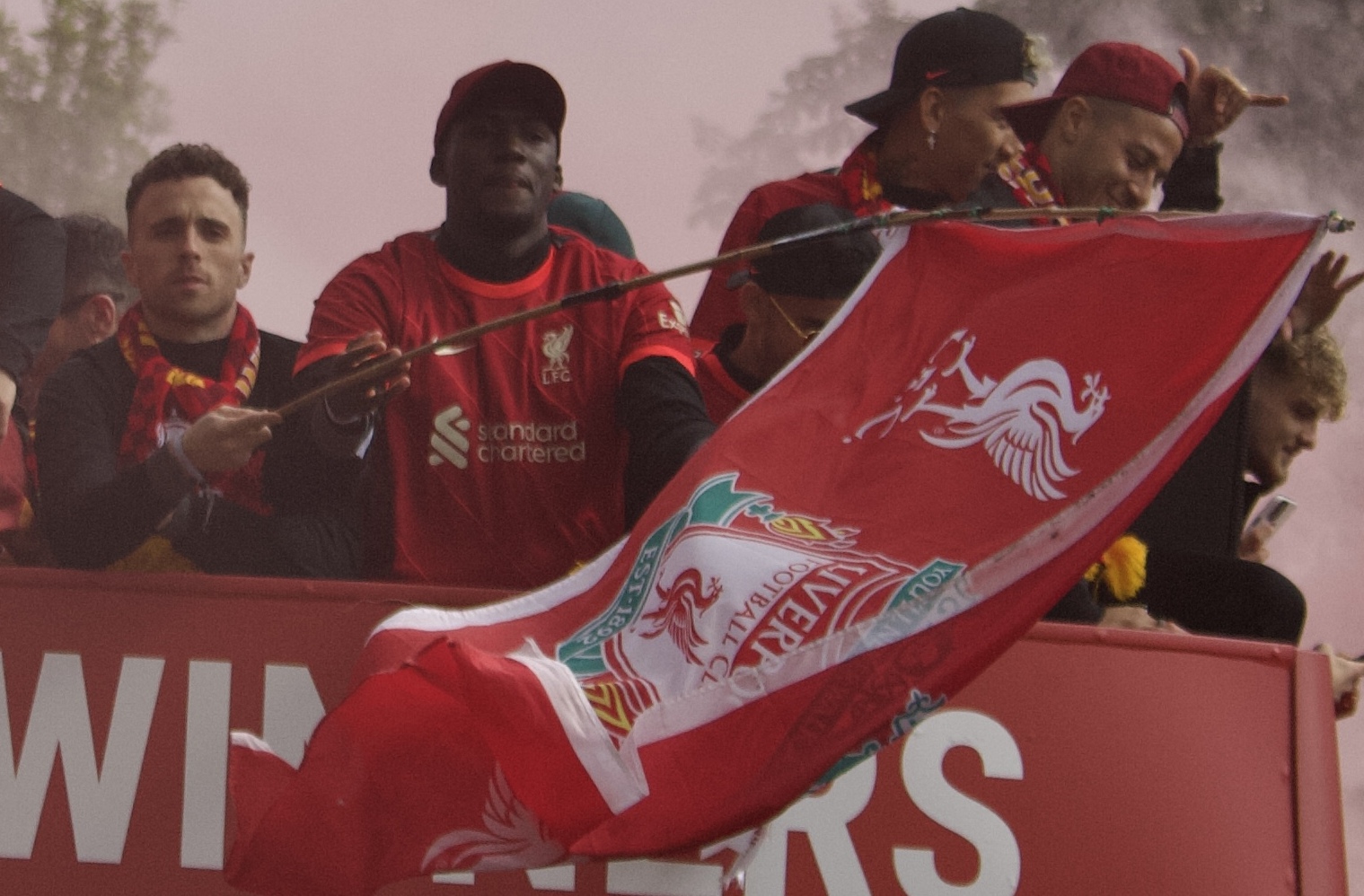
Portugal has cracked the code. Forget tactics, fitness, and decades of technical development. The secret ingredient? Dead players.
One year after Diogo Jota’s death, the Portuguese federation has weaponized his memory into what can only be described as a supernatural performance-enhancement program. The narrative writes itself: eleven men on the pitch, one vengeful spirit in the midfield, and absolutely no way this could backfire or seem completely unhinged.
The beauty of this strategy is its unfalsifiability. Win a match? Jota’s presence guided them. Lose a match? Clearly they didn’t channel him hard enough. It’s the perfect excuse generator, a get-out-of-jail-free card wrapped in grief. Football has always been emotional, but we’ve now entered the era where emotions are literally credited as tactical assets.
What’s genuinely clever is how this sidesteps actual accountability. Nobody can measure spiritual inspiration. You cannot audit a ghost’s work rate. A midfielder who plays poorly can now claim he was “carrying Jota’s energy” rather than admit he had a stinker. The team’s medical staff must be thrilled—why invest in recovery protocols when you can just invoke a deceased teammate?
The 2026 World Cup will either vindicate this as brilliant psychological warfare or expose it as the most elaborate excuse factory ever constructed. Either way, we’re now living in a world where football teams openly admit they’re playing with supernatural assistance. That’s not sport anymore. That’s a séance with shin guards.
The real question: if it works, do other nations start recruiting their own dead players?