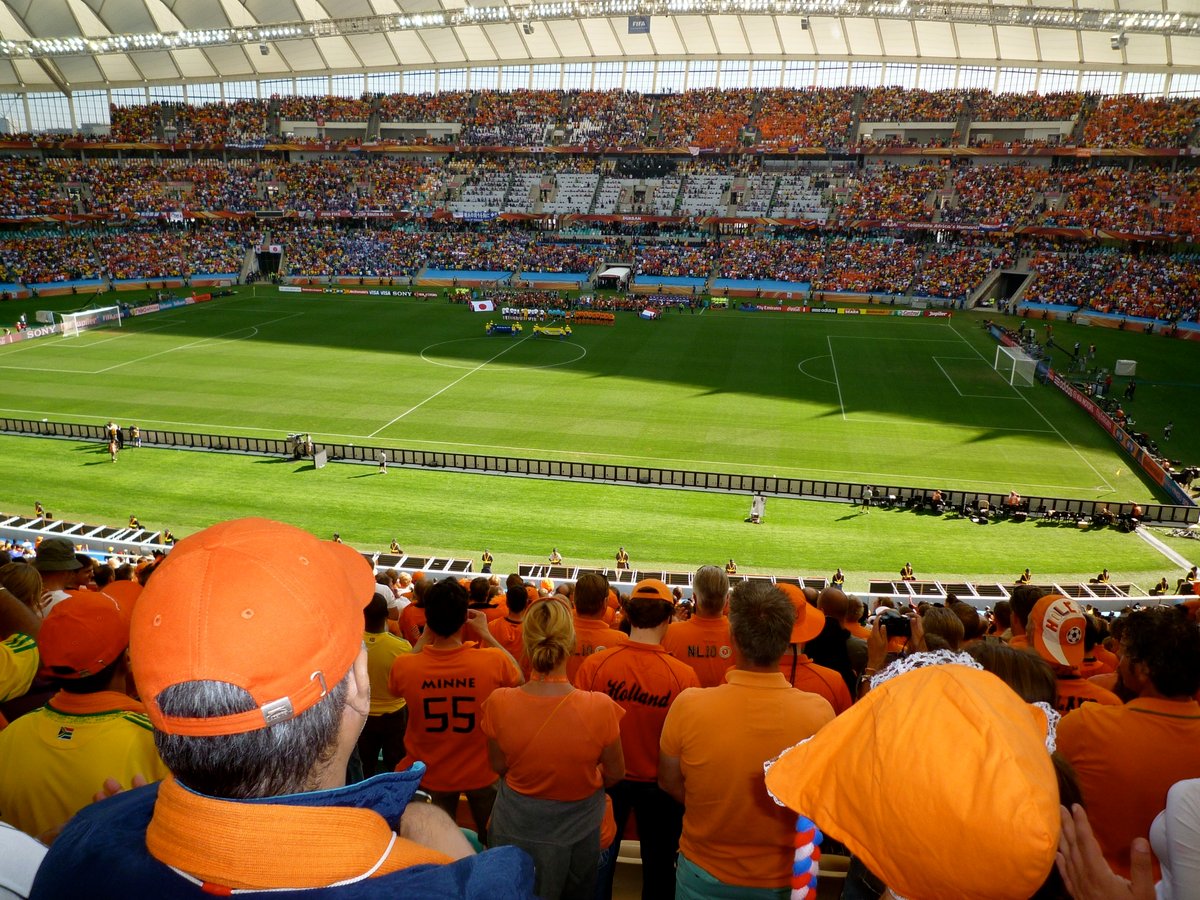
Somewhere in the VAR booth, a technician is zooming in on a player’s passport. This is where we are now. A football match between the Netherlands and Morocco has become the geopolitical equivalent of a custody battle, except the child is a 23-year-old winger with dual citizenship and three different national anthems on his Spotify playlist.
The match itself is almost irrelevant. What matters is the narrative: Morocco’s claim on Dutch-born talent, the Netherlands’ assertion that integration means assimilation, and both nations treating a 90-minute game like a referendum on who gets to own identity in the modern world. Every tackle is a statement about belonging. Every goal is a victory for a nation’s vision of itself.
VAR, naturally, is ready. Not just to review offside or handball. VAR is prepared to intervene on cultural grounds. Did that pass constitute a betrayal of ancestral homeland? Was the celebration sufficiently respectful to the player’s parents’ country of origin? The technology that was supposed to eliminate human error is now being asked to adjudicate human complexity.
The absurdity is perfect. We have created a system so obsessed with clarity that we’ve turned sport into a metaphor for every unresolved question about belonging, migration, and national identity. The match will be decided by a ball crossing a line. The real result—who gets to claim victory in the identity wars—will be debated for years.
Kickoff is just the beginning.