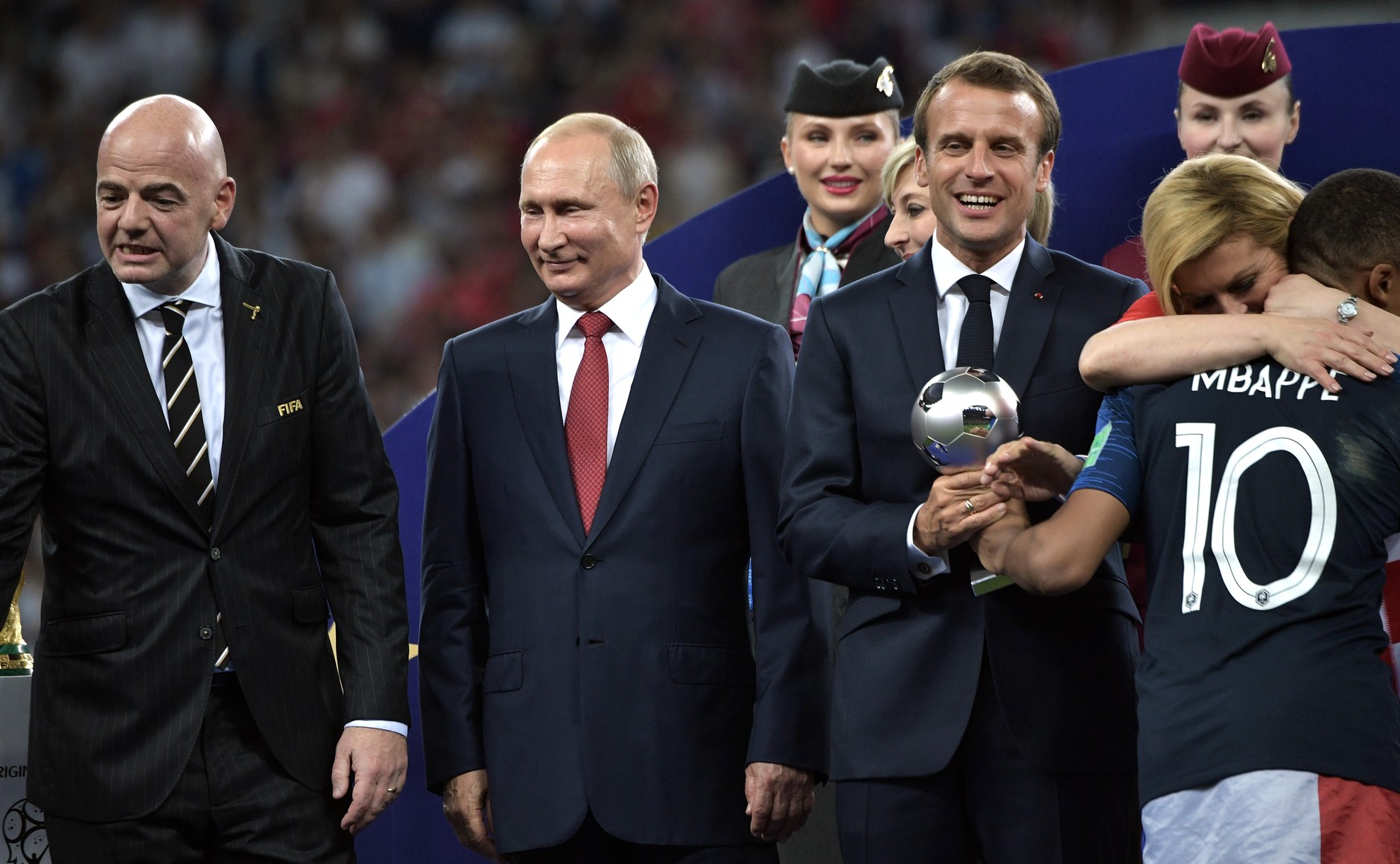
France and Spain meet in a World Cup semi-final on Tuesday, and somewhere in a television studio, a producer is frantically booking a third camera angle because apparently two young men kicking a ball around will determine whether Western democracy survives the next four years.
Lamine Yamal, 17, has been anointed as Spain’s saviour despite the fact that most of the country’s population has mortgages older than he is. Mbappé, meanwhile, is carrying France’s hopes with the weight of a nation that has not lost a World Cup semi-final in living memory and is treating this match like the final battle of Thermopylae, except with better conditioning and sponsorship deals.
The media narrative has escalated so far beyond reason that you half expect the UN to convene. Yamal versus Mbappé. Youth versus experience. Spain’s future versus France’s present. The discourse has become so inflated that if either player scores, we will probably hear it described as the moment that reshaped global geopolitics.
Here is the thing: it is a football match. A very good one, yes. Consequential, absolutely. But the frenzy suggests that the outcome will determine whether humanity achieves world peace or descends into chaos. The reality is simpler and somehow more interesting: two exceptional talents will play 90 minutes of football, one team will advance, and life will continue.
The absurdity is not the match itself. It is that we have collectively decided that every sporting moment must carry the weight of civilisational stakes. Yamal will either play brilliantly or he will not. Mbappé will either be unstoppable or he will be contained. And when it ends, the world will keep turning, regardless of how the headlines frame it.