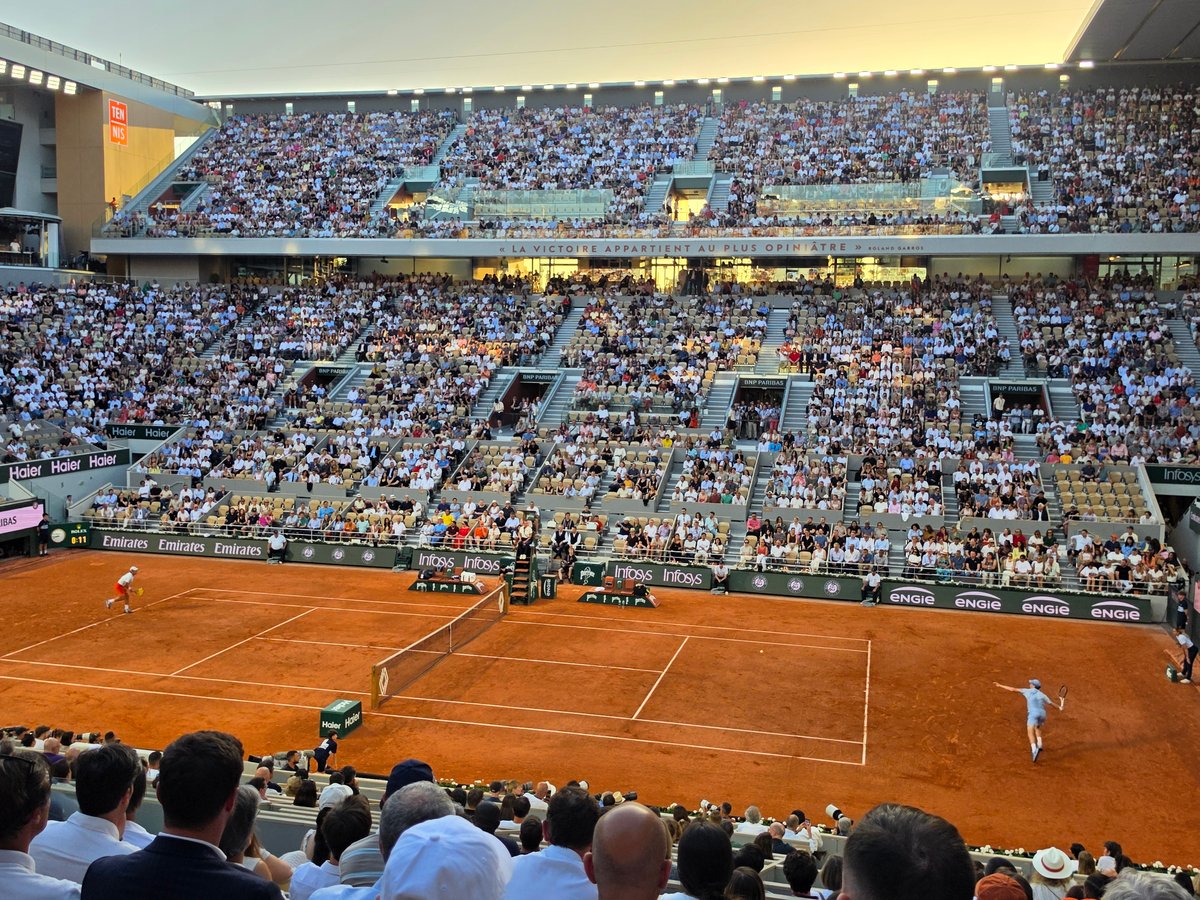
A man learned to play tennis less than a mile from where he might win Wimbledon. This fact has somehow become a matter of national emergency.
Arthur Fery grew up in the shadow of Centre Court — literally, geographically, almost spiritually. He hit forehands on local courts while tourists queued around the block to watch millionaires hit forehands on the same grass. Now he’s one match away from the final, and the entire country has collectively decided this is the most significant event since the invention of the wheel.
The media has responded with the restraint of a football crowd on penalty day. Newspapers have stopped covering actual news. Political parties are issuing statements. A national broadcaster has scheduled emergency programming for his semi-final. Someone, somewhere, has probably already commissioned a statue.
What makes this genuinely absurd is not that Fery is talented — he clearly is. It’s that we’ve decided his postcode is destiny. That growing up near Wimbledon somehow means the universe owes him a trophy. As if geography is narrative, as if proximity to greatness is a contract with fate.
The tears will come regardless. If he wins, they’ll be tears of vindication for a nation that watched a local kid beat the world on the grass his grandparents probably walked past a hundred times. If he loses, they’ll be tears of betrayal — how dare the universe not reward such a perfect story?
Fery will play his semi-final indifferent to all this. He’ll hit a ball over a net. We’ll lose our minds either way. That’s not sport anymore. That’s just us, weaponizing hope.