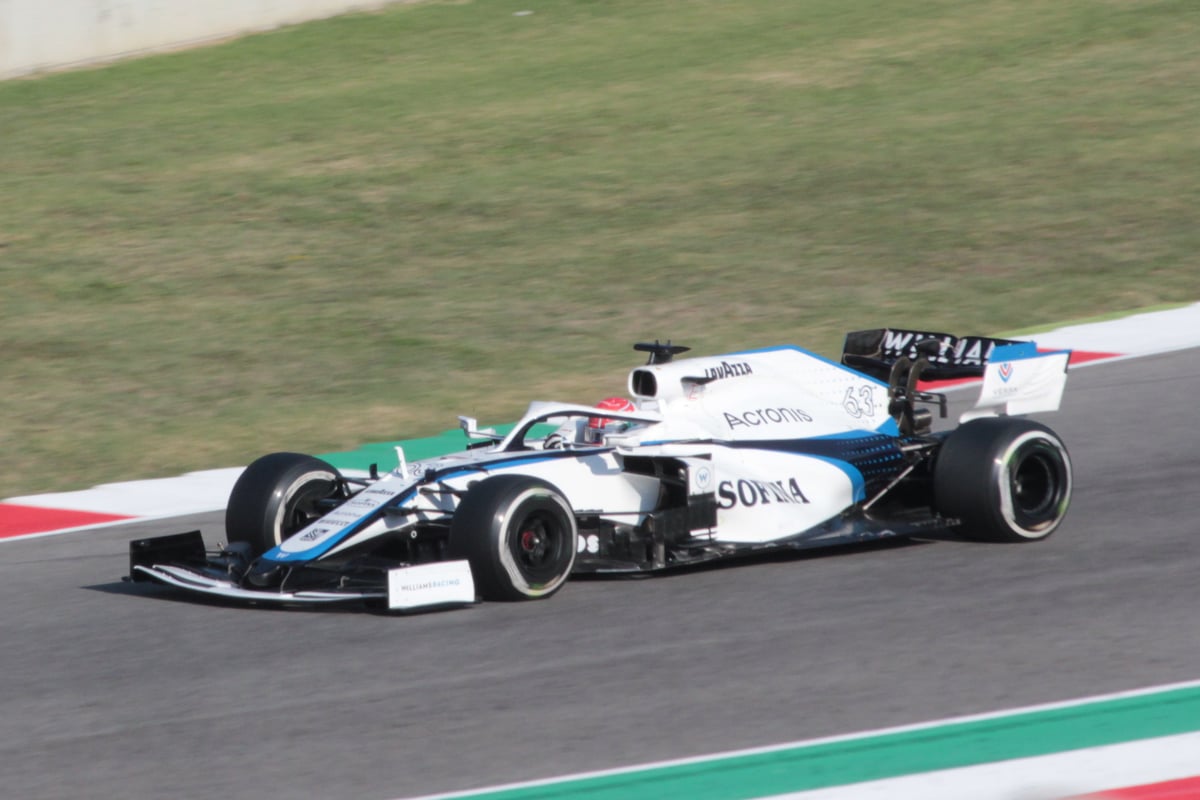
George Russell won a Formula 1 race on Saturday in Azerbaijan, and in the seventy-two hours since, he has apparently unlocked the secrets of the human condition.
Before the checkered flag, Russell was a journeyman Mercedes driver—competent, occasionally brilliant, mostly frustrated. A man who existed in the margins of his own narrative, overshadowed by teammates and circumstance. The kind of driver you respected but did not yet revere. Then he crossed the line first, and something shifted in the space-time continuum.
Now, every utterance from Russell carries the weight of ancient wisdom. “The most dominant weekend I’ve had in my career,” he declared, and suddenly the internet produced motivational posters. His struggles—the “real tough period” he endured—are no longer setbacks. They are trials. Character-building chapters in the Russell Redemption Arc™, a narrative so perfectly structured that even screenwriters are taking notes.
This is the peculiar magic of sports victory. One good weekend and a driver becomes a philosopher-king, dispensing truths about resilience and breakthrough moments as if he has just returned from a monastery in the Himalayas rather than a paddock in Baku. His previous frustrations, once evidence of his limitations, are now rebranded as evidence of his depth. The same struggles that made him seem ordinary have made him extraordinary.
The cult is already forming. Every post-race interview will be mined for meaning. Every quote will be enlarged and printed on a background of a sunset. Russell has not just won a race. He has graduated into the rarefied air where athletes become life coaches, where one victory grants lifetime credibility as a purveyor of human insight.
Welcome to the modern sports pantheon, George. Your aphorisms await.