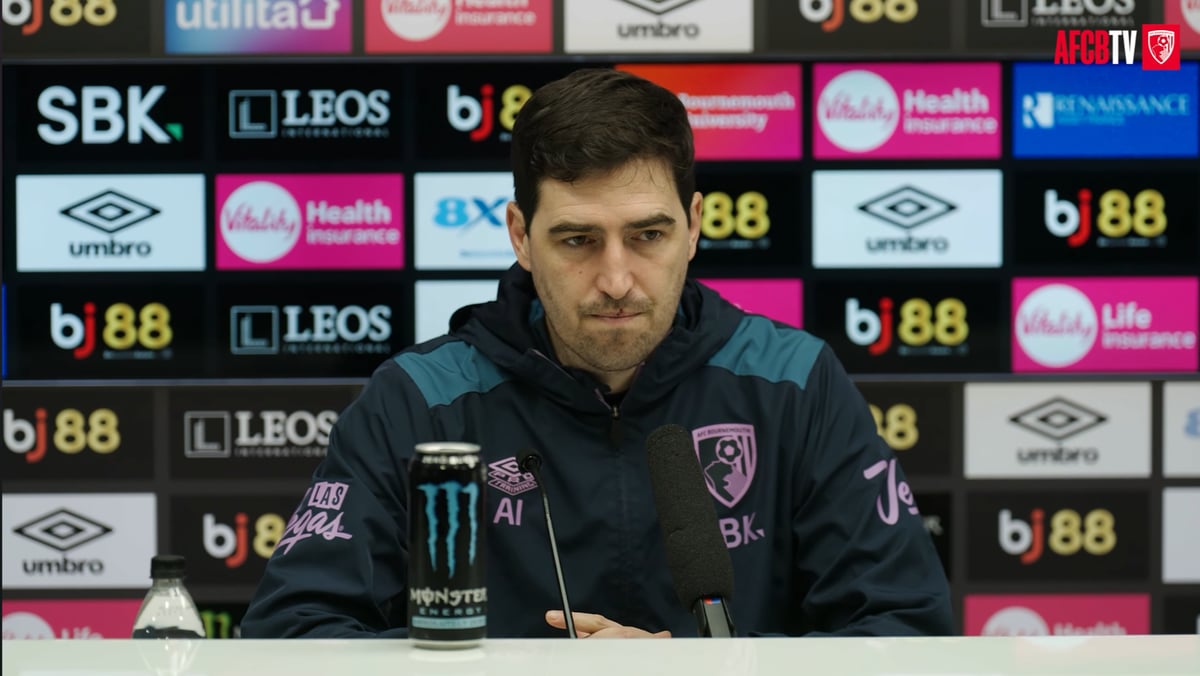
Andoni Iraola walked into Anfield on Saturday with the kind of optimism reserved for new managers in their first game. Liverpool hammered Sunderland 4-2. Kieran Morrison, Dominik Szoboszlai, Federico Chiesa, and Lewis Koumas all found the net. By any reasonable measure, this was a debut worth celebrating—the kind of scoreline that makes you think maybe, just maybe, the new era has teeth.
Then Gomez got injured, and suddenly nobody cares about the four goals.
This is the cruel mathematics of modern football: one moment of defensive calamity erases ninety minutes of attacking brilliance. Iraola’s first match as Liverpool manager will not be remembered for the clinical finishing or the fluid movement that produced those goals. It will be remembered for the injury that turned a joyous afternoon into a cautionary tale about the sport’s indifference to timing.
Sport does this constantly. It builds you up with a narrative—new manager, fresh start, four goals—then demolishes it with a single injury report. The victory becomes a footnote. The goals fade into the background. What remains is the image of a player going down and the collective anxiety that follows.
Iraola deserves better than this. His tactical setup worked. His team executed. But football doesn’t care about fairness or narrative balance. It just happens, and you’re left explaining why winning 4-2 feels like losing.