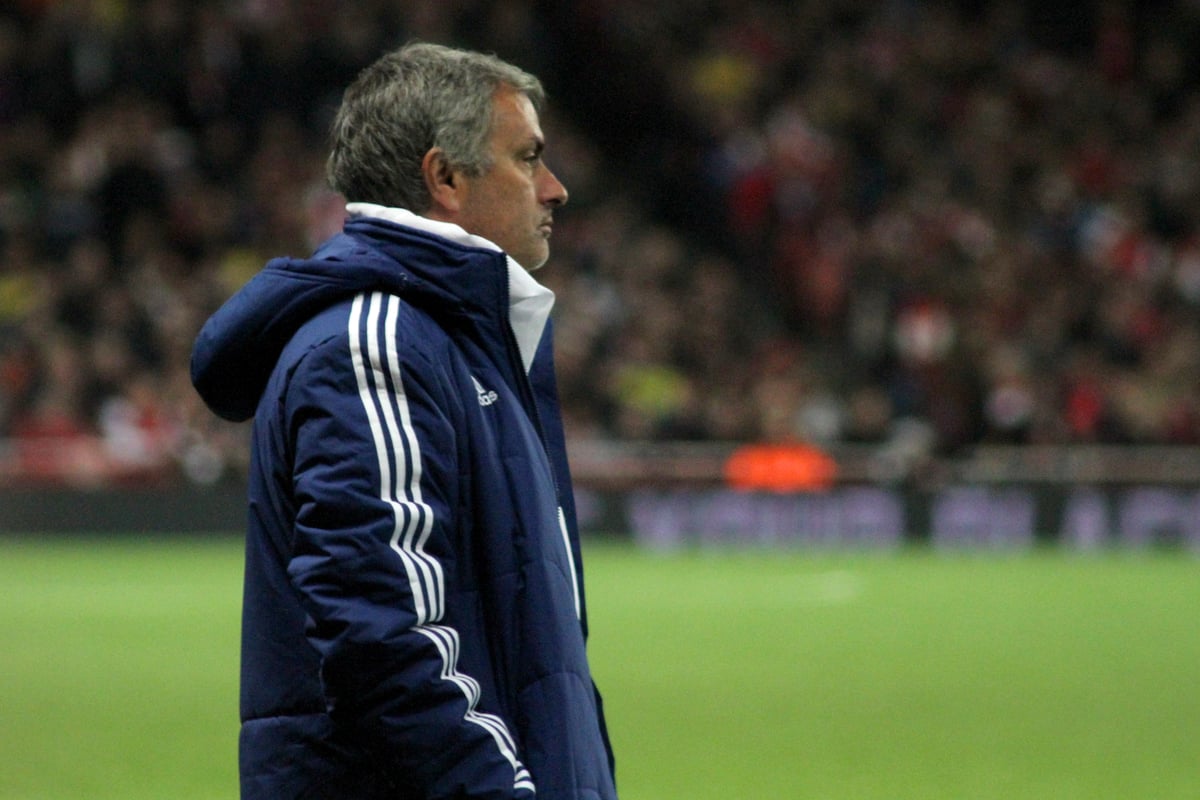
Jose Mourinho has finally revealed the truth about himself, though not intentionally. After the Madrid derby, he spent forty-five minutes dissecting refereeing decisions with the precision of a man defusing a bomb, when in fact he was just deflating a balloon that had already lost air.
Atletico Madrid’s response was swift and, frankly, the most entertaining thing to emerge from the fixture: they essentially said Mourinho’s complaints created more theatre than the match itself. And they are correct. Because what Mourinho cannot admit—what he may never admit—is that football is no longer a sport where one man’s tactical genius can bend eleven players into an unbeatable shape.
He arrived at Atletico expecting to be the architect, the visionary, the man who rewrites the rules. Instead, he discovered that modern football is an ensemble cast where the goalkeeper has notes, the fullbacks have agents with opinions, and the striker’s social media following matters more than his positioning. The referee, then, becomes a convenient villain. Easier to blame the fourth official for missing a handball than to confront the fact that his system requires buy-in from people who have their own careers to protect.
Atletico’s dig was not really about the refereeing at all. It was a mirror held up to Mourinho’s greatest fear: that he is no longer the main character in his own story. He is one voice in a crowded room, and that room includes VAR, analytics departments, and players who watch TikTok instead of his tactical videos.
The match itself was forgettable. The complaints were unforgettable. Which tells you everything about where Mourinho’s mind actually is.