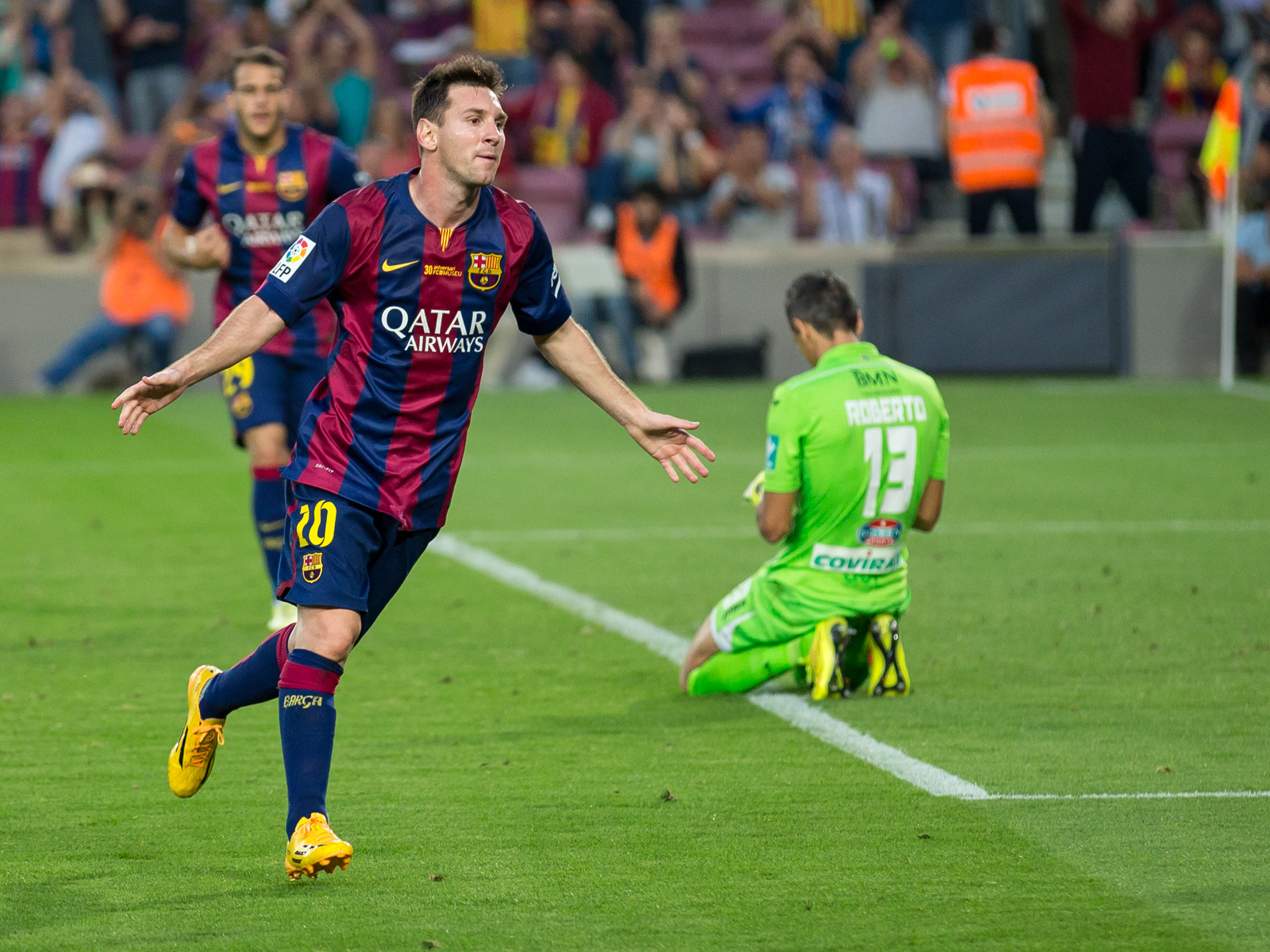
Argentina’s World Cup squad is not, technically, a football team. It is a constitutional monarchy disguised as a meritocracy, where every tactical decision flows from a single throne and every player’s job description reads: ‘Agree with Lionel Messi, or find another country.’
Guillermo Balague has spent the last decade explaining that Argentina’s entire system—the positioning, the shape, the choice of socks—has been reverse-engineered to maximize Messi’s comfort. Not his talent. His comfort. The squad is less a team than a support network, a carefully curated circle of yes-men paid to nod at his genius and occasionally kick the ball in his direction.
Consider the evidence. When Messi prefers the left, everyone else shifts right. When he wants space in the middle, midfielders evaporate like morning dew. When he decides a pass should go to someone else, that someone else becomes a temporary celebrity until the next training session, at which point they are reminded of their actual station: bit-part player in the Messi cinematic universe.
The ‘mate system’—named after the ritual sharing of a single cup—is Argentina’s diplomatic framework for ensuring that all roads lead to number 10. It is not oppressive, exactly. It is just that every player has accepted they are supporting cast in a one-man show that happens to win trophies.
As Argentina prepares to face England in the World Cup semi-finals, the question is not whether they will win. The question is whether the rest of the squad will ever be credited for their roles in the Messi empire, or whether they will spend the rest of their lives explaining they were there too.