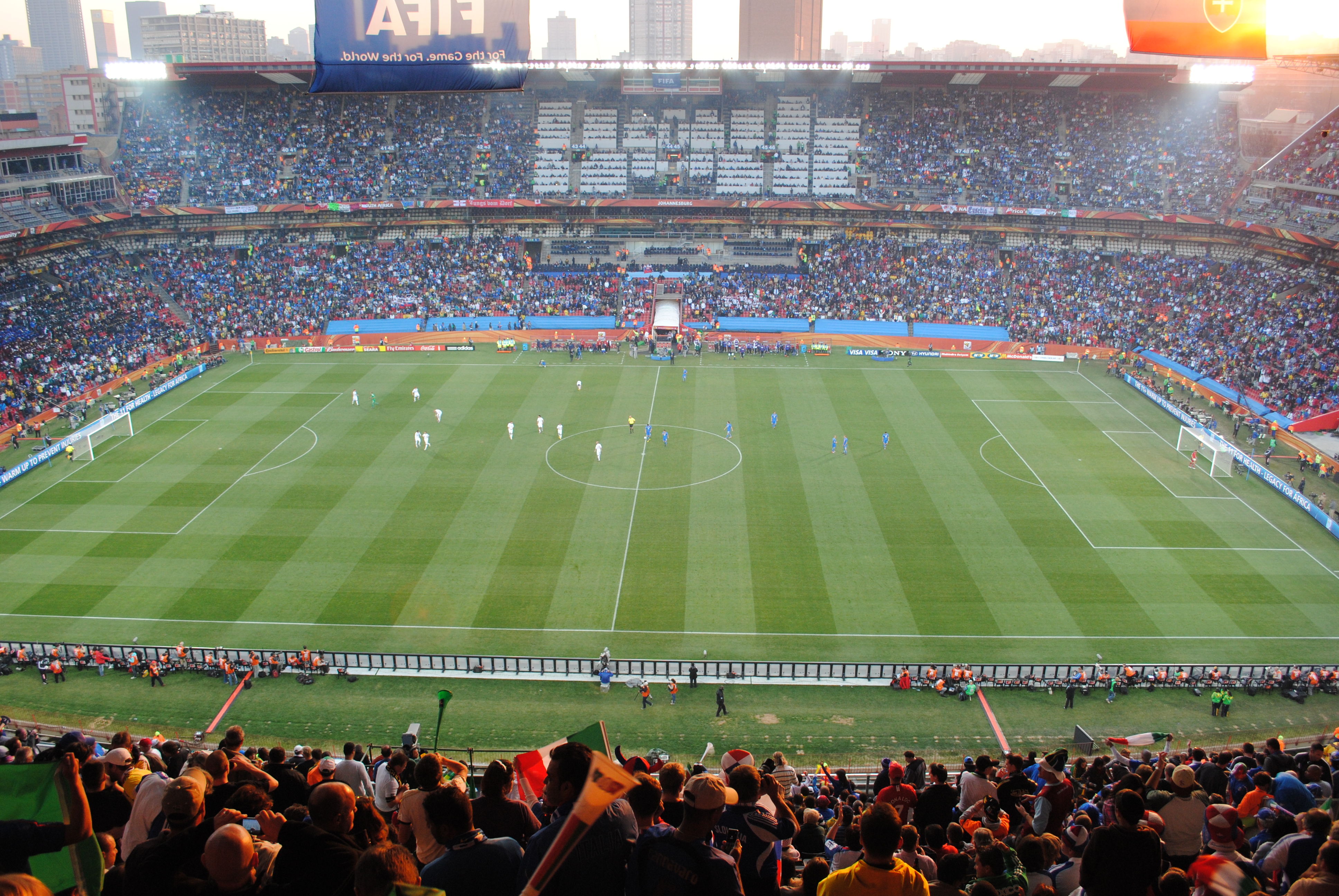
The conspiracy theory writes itself. Ranked 47th in the world, a nation with three professional stadiums and a goalkeeper who works weekends at a hardware store just eliminated the defending champions. The algorithm explanation is spreading faster than the actual match footage.
Here’s the thing: nobody wants to admit that football is still mostly chaos wearing a jersey. So when a lower-ranked team wins, we invent elaborate schemes. Advanced machine learning that predicts defender movement three steps ahead. Psychological operatives stationed in the stands, transmitting frequencies that subtly unsettle the opposition’s free-kick taker. A consultant who reads auras. The works.
The reality is somehow more embarrassing for the sport’s intelligentsia. Lower-ranked teams win because they play without the crushing weight of expectation. They press like their lives depend on it because, frankly, they do. Their coach isn’t overthinking set pieces at 3 a.m. because he already knows his job is on borrowed time. There’s a clarity to desperation that no algorithm can replicate.
Meanwhile, the favorites are paralyzed by the burden of being favorites. They’ve watched seventeen hours of opponent footage. They’ve been told their midfield is the best in the world so many times they’ve started believing it. They expect to win, which is the exact moment winning becomes optional.
The AI conspiracy theory is comforting because it means the upset was engineered, logical, predictable in hindsight. The truth—that a well-organized team of relative nobodies just wanted it more—is too simple. Too human. Too unfair to the narrative that money and ranking determine outcomes.
But that’s football. Always has been.