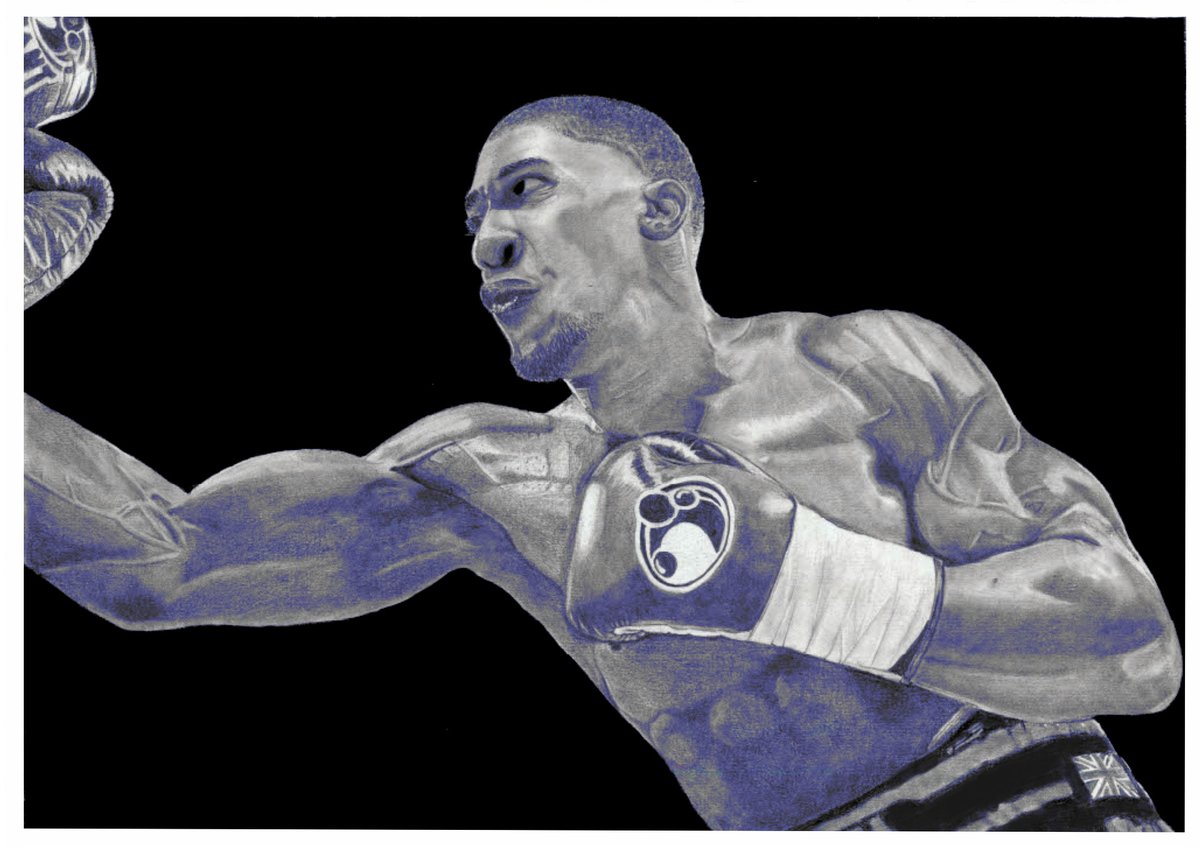
In what can only be described as a screenplay rejected for being too ridiculous, Anthony Joshua has somehow convinced the boxing world that his chaotic return against Kristian Prenga—a fighter whose name sounds like a minor villain in a Nordic noir—was actually a masterclass in ring craft. The man stumbled through three rounds like he was auditioning for a slapstick comedy, then apparently remembered he was supposed to be a professional heavyweight, and knocked out his opponent. Chaos. Pure, undiluted chaos.
Now Tyson Fury, who has spent the better part of two years perfecting his trash-talk algorithm and scheduling the Fury-Joshua super-fight with the precision of a Swiss watchmaker, finds himself staring at a plot development that even the most generous fiction editor would reject. Joshua was supposed to either retire quietly into Netflix documentaries or lose to someone ranked in the top twenty. Instead, he won messy, won unconvincingly, and somehow made himself relevant again.
The Fury camp must be experiencing what I can only describe as narrative whiplash. You spend eighteen months building toward the inevitable showdown with a fading legend, and the legend shows up looking like he learned boxing from a fever dream, then wins anyway. It’s the sports equivalent of ordering a perfectly aged wine and receiving a bottle of something that tastes like regret but somehow gets you drunk faster.
The heavyweight division has become a choose-your-own-adventure novel written by someone who has never read a book. Joshua’s victory changes nothing and everything simultaneously. Fury’s fight got messier. That is its only real achievement.