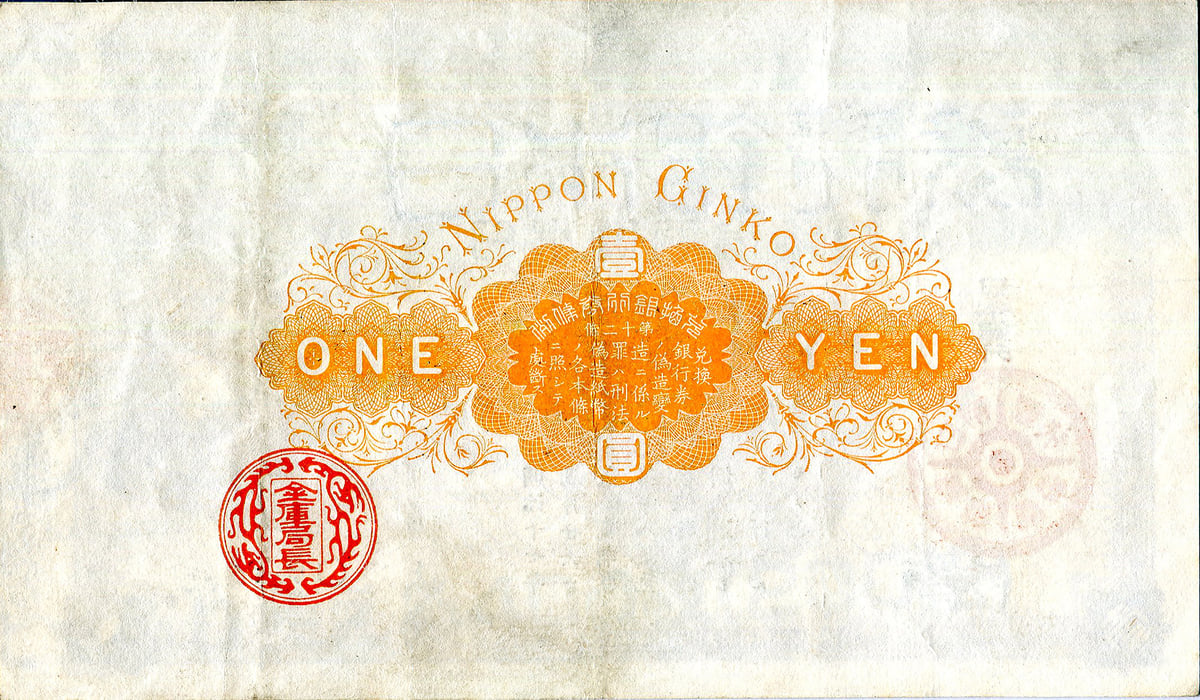
In what can only be described as the financial equivalent of two parents tag-teaming a toddler’s meltdown, the United States and Japan announced a rare joint currency intervention this week to prop up the yen. Because apparently, when a currency starts tanking, the solution is not to let markets do their thing — it is to have two of the world’s largest economies show up with matching t-shirts that say “We’re Here to Help.”
Here is what actually happened: the yen has been weakening against the dollar, which sounds like a technical problem until you realize it means Japanese exports get cheaper (good for sellers) but imports get more expensive (bad for everyone buying stuff from abroad). Japan’s central bank and the US Treasury decided this was unacceptable drama and coordinated to buy yen and sell dollars, essentially saying to the market: “No, you are wrong, here is the correct value of money.”
The two countries even issued a joint statement promising they would “not hesitate to conduct interventions in the future,” which is finance-speak for “we might do this again whenever we feel like it.” Translation: currency markets just got a new recurring character arc.
For normal people, this means your yen-denominated savings might stabilize, Japanese cars might stay expensive, and somewhere a currency trader is frantically refreshing Bloomberg terminals wondering if governments are just going to start micromanaging exchange rates like a fantasy football league. The absurdity is not that intervention happened — it is that we live in a world where two nations can just collectively decide a number should be different and make it so.