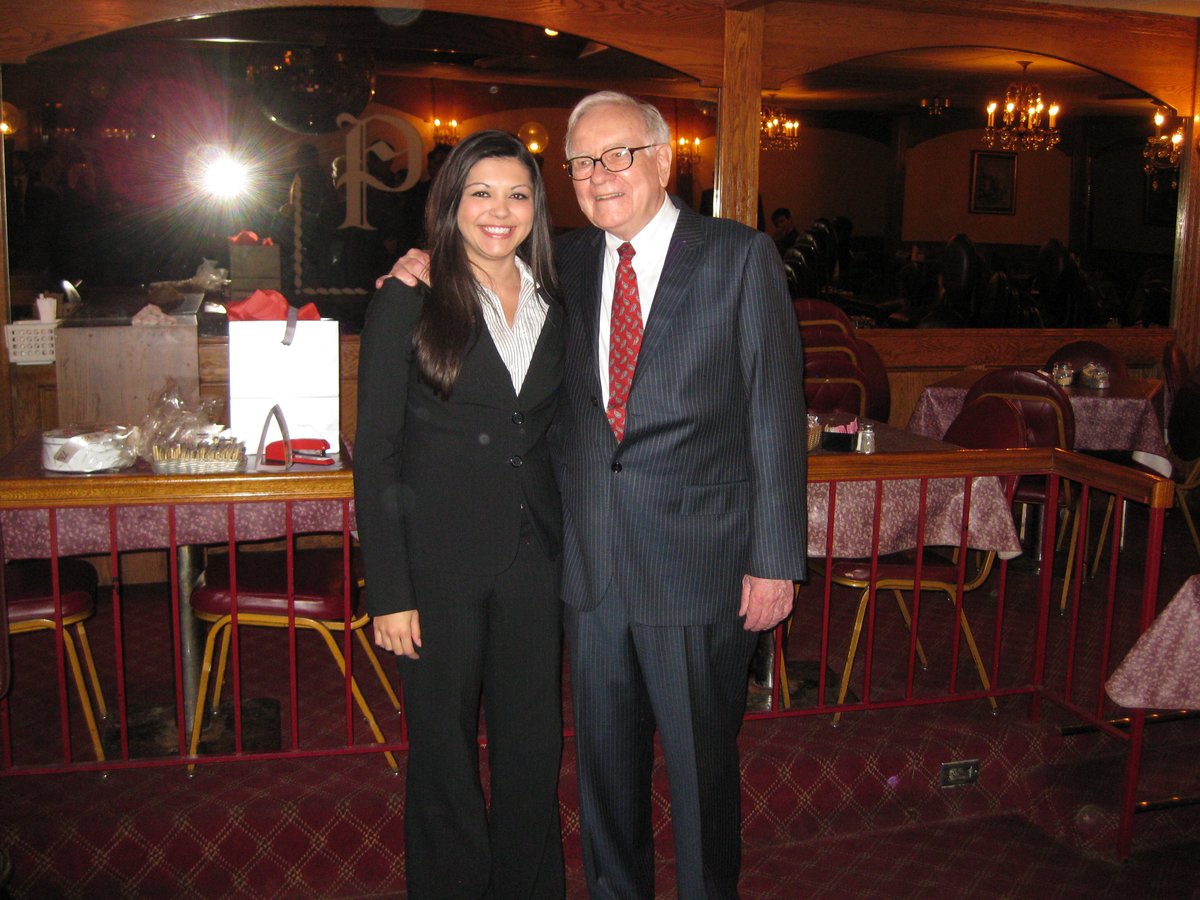
Warren Buffett stepped down this week after six decades steering Berkshire Hathaway, and the market responded the way a person responds when they realize their life coach was just a really well-dressed guy who happened to be right about things.
For sixty years, investors have treated Buffett’s every move like scripture. He buys a stock, they buy it. He mentions a company, its valuation jumps. He eats a cheeseburger, someone probably buys cheeseburger futures. The man transformed a failing textile mill into a global conglomerate worth hundreds of billions, which is impressive, sure—but it also created a weird parasitic relationship where millions of people outsourced their critical thinking to a guy who reads annual reports for fun.
Now he is gone, and everyone is panicking because they never actually learned how markets work. They just learned how to follow Buffett. For decades, the entire institutional investing class has been operating like a cargo cult, waiting for the oracle to signal which way the wind blows. Turns out, when the oracle retires, people realize they have no idea what they are doing.
The real joke is that Buffett’s entire philosophy was the opposite of this: buy good companies, hold them for decades, ignore the noise. But somehow his retirement has become the noise. Investors are now staring at spreadsheets and wondering if they should panic-sell everything or buy more of whatever Berkshire owns, which is a pretty good sign that they never actually understood what the guy was teaching them in the first place.
Father Time always wins, Buffett said. Apparently, it also wins against financial literacy.