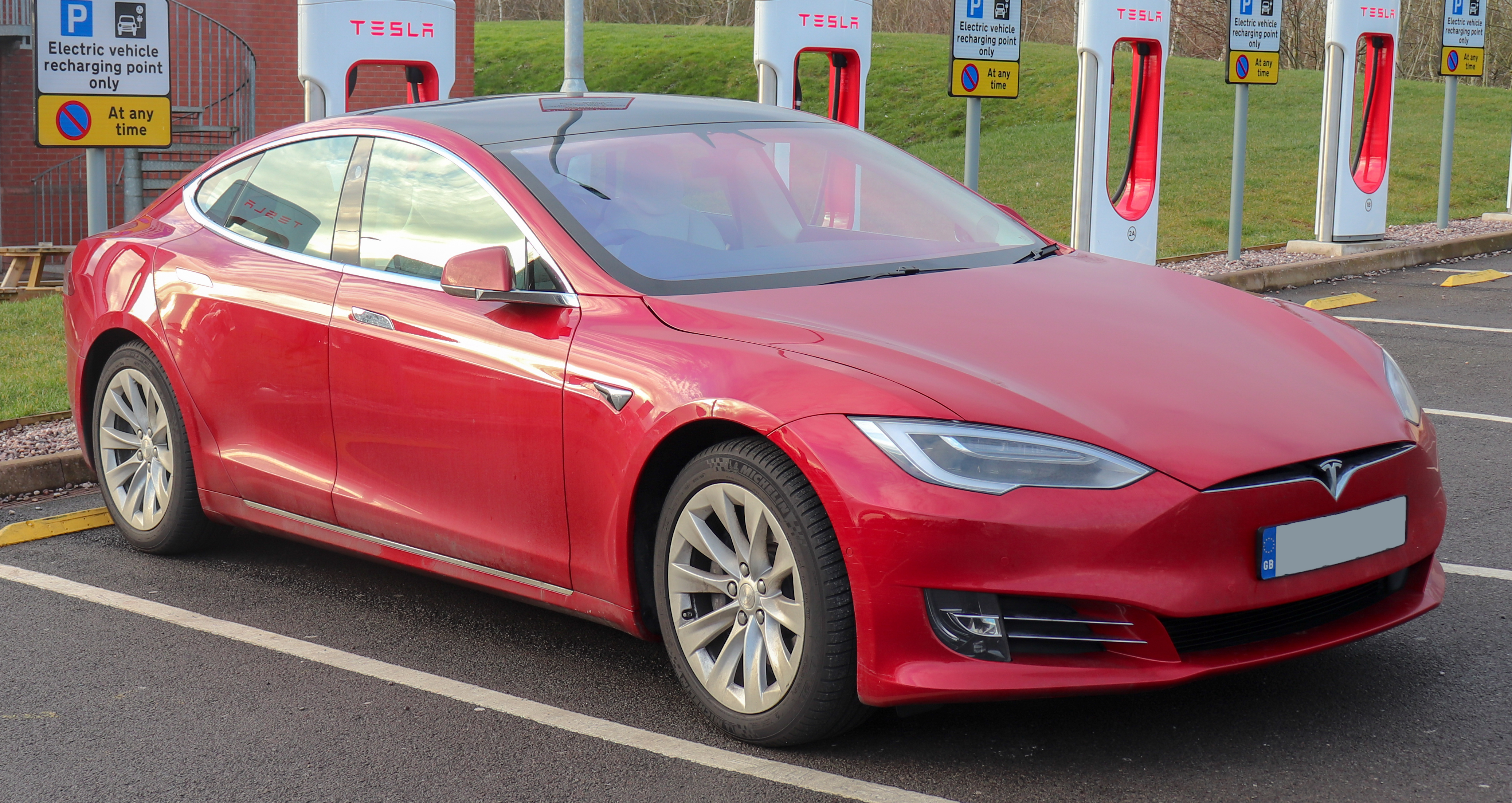
We have reached a peculiar moment in technological history where a machine can navigate the internet but apparently cannot be trusted to navigate a driveway without treating a residential home as a parking spot.
A Tesla driver in Texas recently discovered that activating the vehicle’s self-driving feature is less like hiring a careful chauffeur and more like handing the keys to a teenager who just learned what the accelerator does. The car, operating in what we can only assume was “maximum confidence, minimum awareness” mode, accelerated directly into a home, killing a woman inside. The driver’s defense? He was using the self-driving technology.
This raises a question that apparently needed asking in 2026: if a feature is so unreliable that its primary defense is “I was not paying attention,” should it exist? The irony is almost too perfect. We have spent two decades being told that robots would be safer than humans—more predictable, more rational, less prone to rage-driving into buildings. Instead, we have created machines that combine human recklessness with the added bonus of nobody being responsible.
The federal investigation will likely conclude what we already know: autonomous vehicles work great until they do not, at which point the blame shifts to whoever was supposed to be supervising the machine that was supposed to need no supervision.
The real absurdity is not that the technology failed. It is that we designed a system where “I was using self-driving” counts as an explanation rather than a confession.