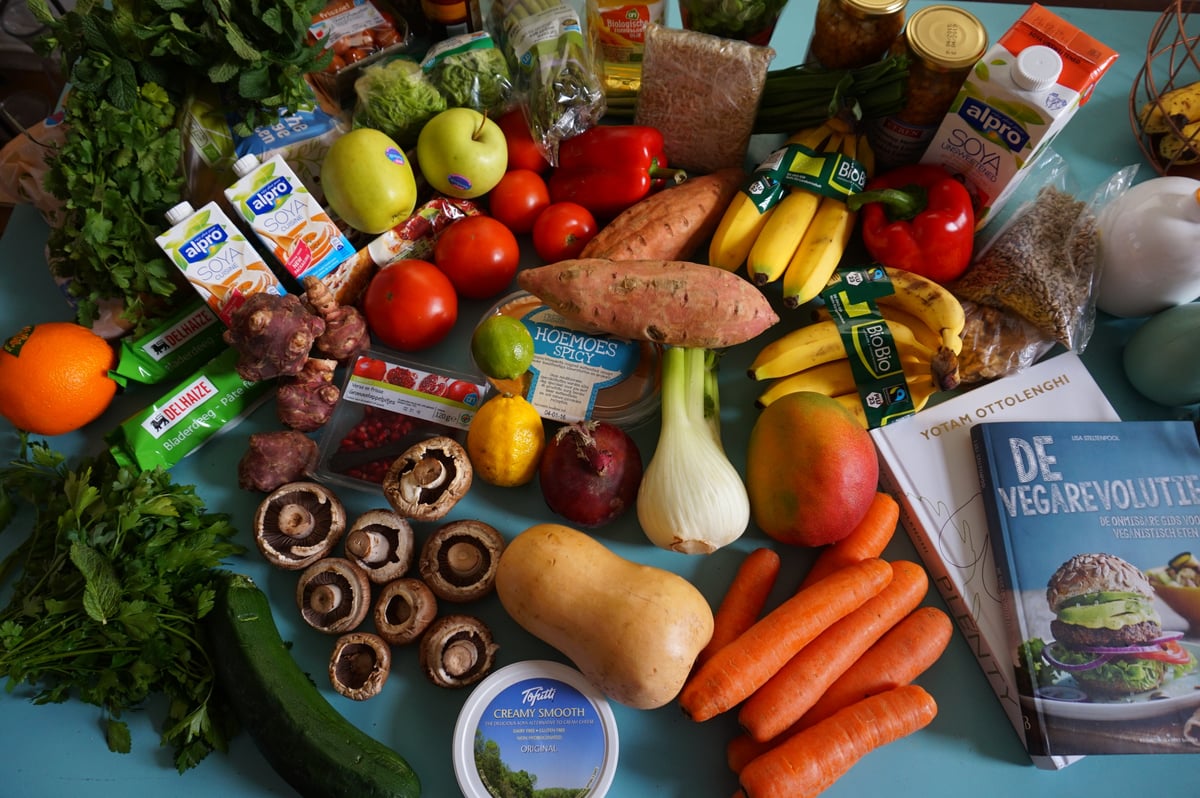
The Office for National Statistics released numbers this week showing inflation has barely budged, which is technically true if you ignore the part where you cannot afford to eat. Higher petrol prices were offset by slower rises in meat, dairy, and vegetables, they explained, as if these things exist in separate universes.
This is the economic equivalent of your doctor telling you that your cholesterol is fine because your blood pressure went down. Sure, mathematically it works. Spiritually, you are still dying.
The real comedy is that economists are genuinely baffled by the gap between their inflation metrics and the experience of anyone who has stood in a supermarket in the last three years. They have built an entire cathedral of indices and weighted baskets and seasonal adjustments, all designed to tell you that everything is fine, even as your weekly shop costs what a small car payment used to.
The trick is that inflation statistics are like a group photo where half the people are standing behind a very tall wall. Yes, the average height looks reasonable. No, that does not help the person trying to see the stage.
So here is what matters: if you are buying food, petrol prices going down does not help you. You need both to be affordable, not a seesaw where one rises so the other can fall. The steady inflation number is technically accurate and functionally useless — like being told the Titanic’s average temperature was pleasant because the engine room was hot.
Check your own grocery receipts. They will tell you a different story than the ONS headline.