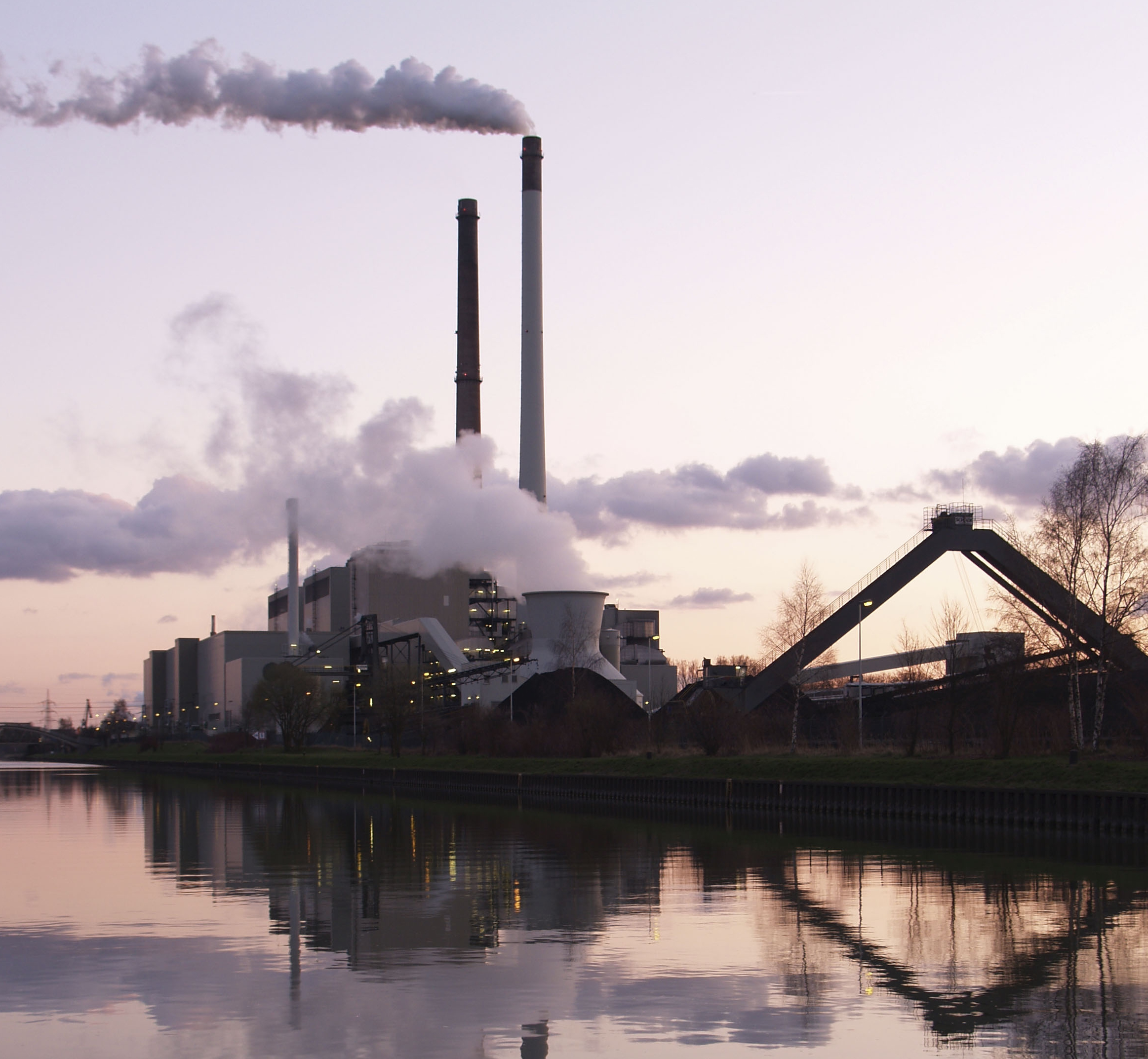
Germany spent the last decade telling coal it was over. They wrote lengthy policy papers about it, announced phase-out dates with the confidence of someone finally blocking their ex on social media, and invested billions in solar panels and wind turbines as proof they had moved on. Clean energy was the future. Coal was the past. The relationship was dead.
Then natural gas prices went up, and suddenly Germany was scrolling through old photos at 2 a.m., wondering if maybe coal wasn’t so bad after all.
Yes, coal. The fuel that literally powers the Industrial Revolution’s greatest hits and worst environmental regrets. The thing that made London fog famous for all the wrong reasons. Germany’s government is now seriously eyeing coal plants it promised to retire, because when your heating bills spike and your renewable energy sources are having an off season, nostalgia hits different.
The absurdity here is almost poetic. Europe spent years lecturing the world about climate commitments while Germany specifically planned to phase out coal by 2030. Then gas got expensive, and suddenly everyone remembered that coal plants still exist and technically still work. It is the energy policy equivalent of your friend swearing off their chaotic ex, then calling them up the moment their new relationship gets complicated.
The punchline writes itself: in a world racing toward renewables, Germany is considering dusting off the dirtiest fuel source from the industrial era because it is cheaper than the thing it switched to five years ago. Even the coal plants are probably confused about whether they are a bridge solution or a full reconciliation.
So what does this mean for you? If you own renewable energy stocks or believe in the energy transition, this is a reminder that policy changes when gas prices do—and that Europe’s green future is apparently more flexible than the marketing suggests.