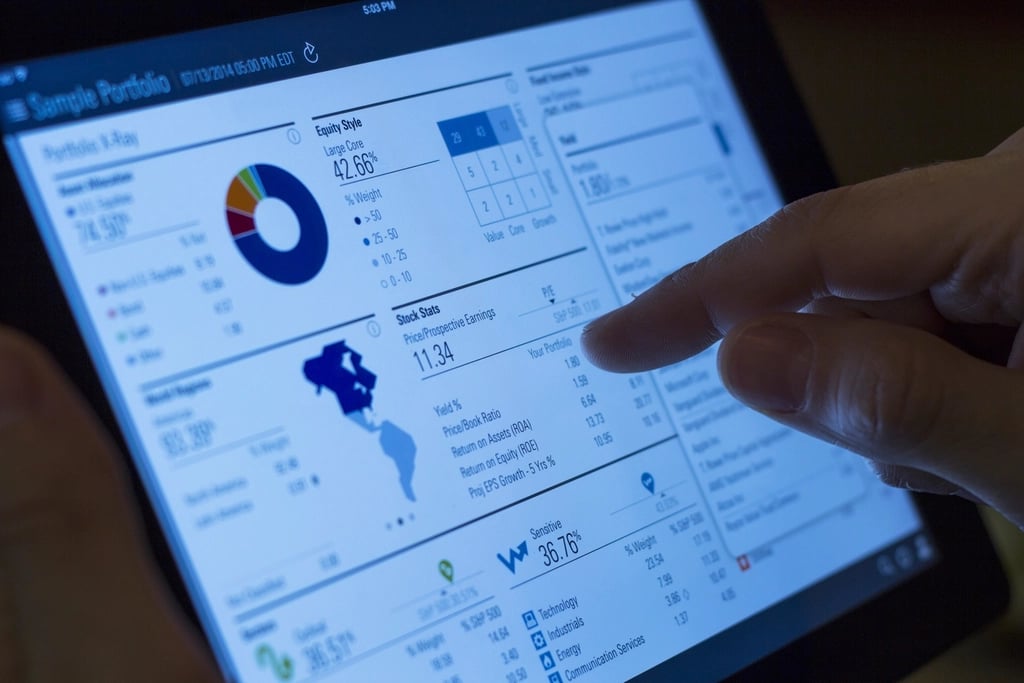
Your portfolio has been having the time of its life. For years, geopolitical tension meant oil prices stayed artificially elevated, defense stocks soared, and uncertainty kept investors nervous enough to bid up bonds. It was a beautiful, horrible machine. Then someone went and signed a peace deal.
Here is the problem with peace: it is economically inconvenient. Oil prices have already started falling because markets no longer need to price in supply disruption risk. That sounds great until you realize your energy sector holdings were basically a bet that things would stay tense. Congratulations — you were accidentally rooting for conflict.
Defense contractors are having a mild panic. Not because war is ending globally (it is not), but because one less flashpoint means one less justification for the next weapons system budget. Your defense index fund was not expecting this particular Tuesday.
Commodity prices are wobbling. Metals, grains, shipping costs — all of them had been inflated by geopolitical premium, the invisible tax markets add when the world feels unstable. Now that premium is evaporating faster than your morning coffee.
Bond yields might actually reflect real economic conditions instead of fear. This is either great or terrible depending on whether the economy is actually as strong as the market has been pretending.
The real kicker: your 401(k) was optimized for a world on edge. Turns out that was the entire investment thesis. Peace is wonderful for humanity and absolutely maddening for portfolio managers who spent a decade building positions around perpetual tension. Welcome to 2026, where the best outcome for global stability is somehow bad news for your retirement account. At least the irony is free.