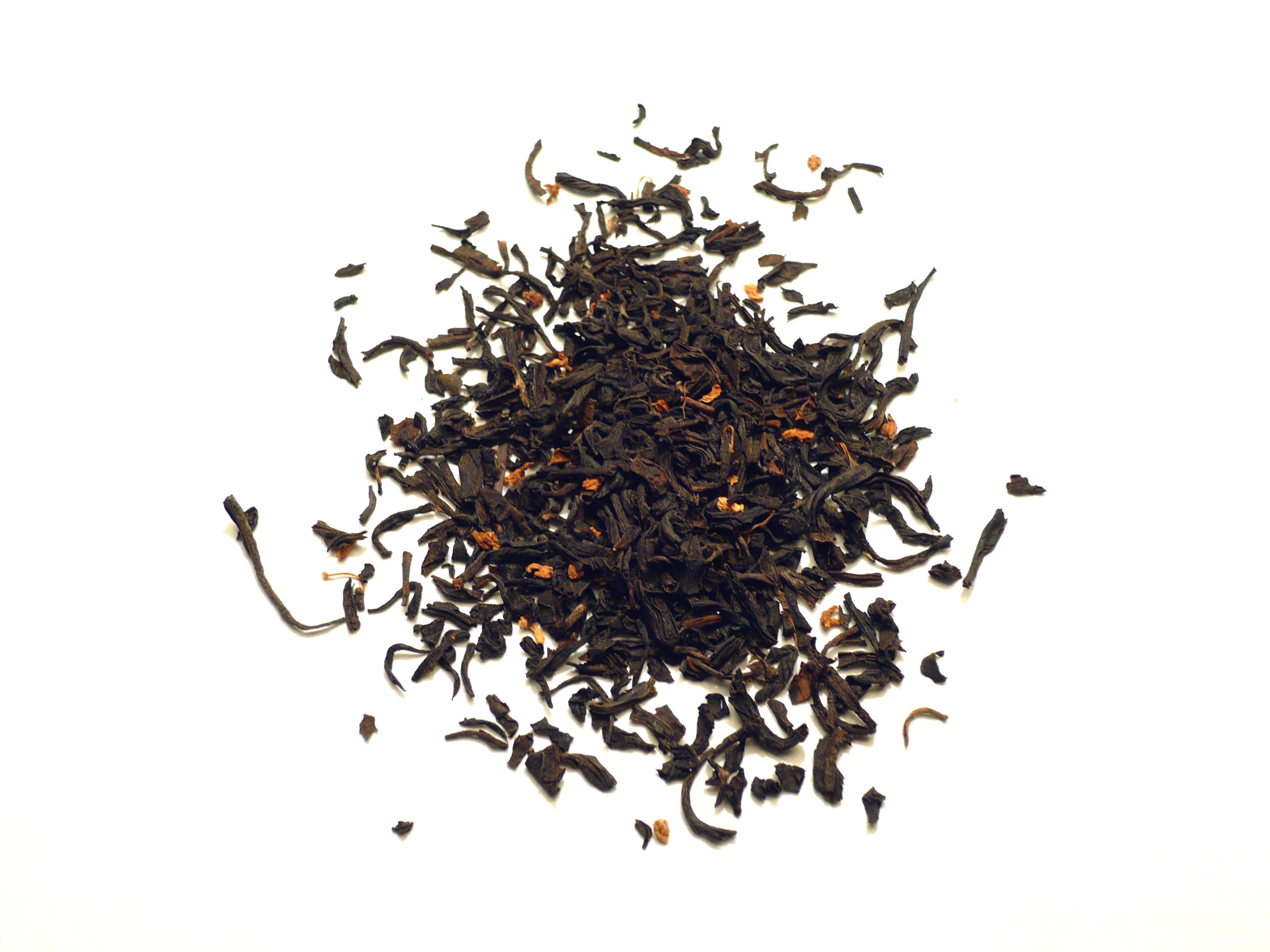
In a stunning reversal of five decades of economic modernization, China’s central bank announced yesterday that it would begin accepting premium oolong leaves as legal tender after the country missed its growth targets by a margin so wide you could drive a factory through it.
The move comes after domestic demand collapsed faster than a cryptocurrency exchange in July, leaving Beijing with no choice but to dust off trade practices last seen during the Ming Dynasty. “We looked at our options,” explained a spokesperson for the People’s Bank of China, “and realized that when your growth rate is lower than your inflation rate, you might as well go full feudal.”
Exports remain robust—apparently the rest of the world still wants what China makes—but the geopolitical shock of the Iran war has sent oil prices through the roof, leaving ordinary citizens unable to afford anything except, conveniently, tea leaves. A kilogram of Tie Guan Yin now exchanges for roughly what a family of four needs to eat for a week.
Economists are calling it the most creative policy response to structural economic problems since Zimbabwe introduced the Zimbabwean dollar in 2009. “At least tea leaves don’t hyperinflate,” one analyst noted, “and you can brew them if things get really bad.”
The government is currently printing new exchange charts showing the leaf-to-rice ratio and has hired 50,000 tea inspectors to prevent counterfeit Pu-erh from entering circulation. Financial advisors are already recommending clients diversify into jasmine futures.