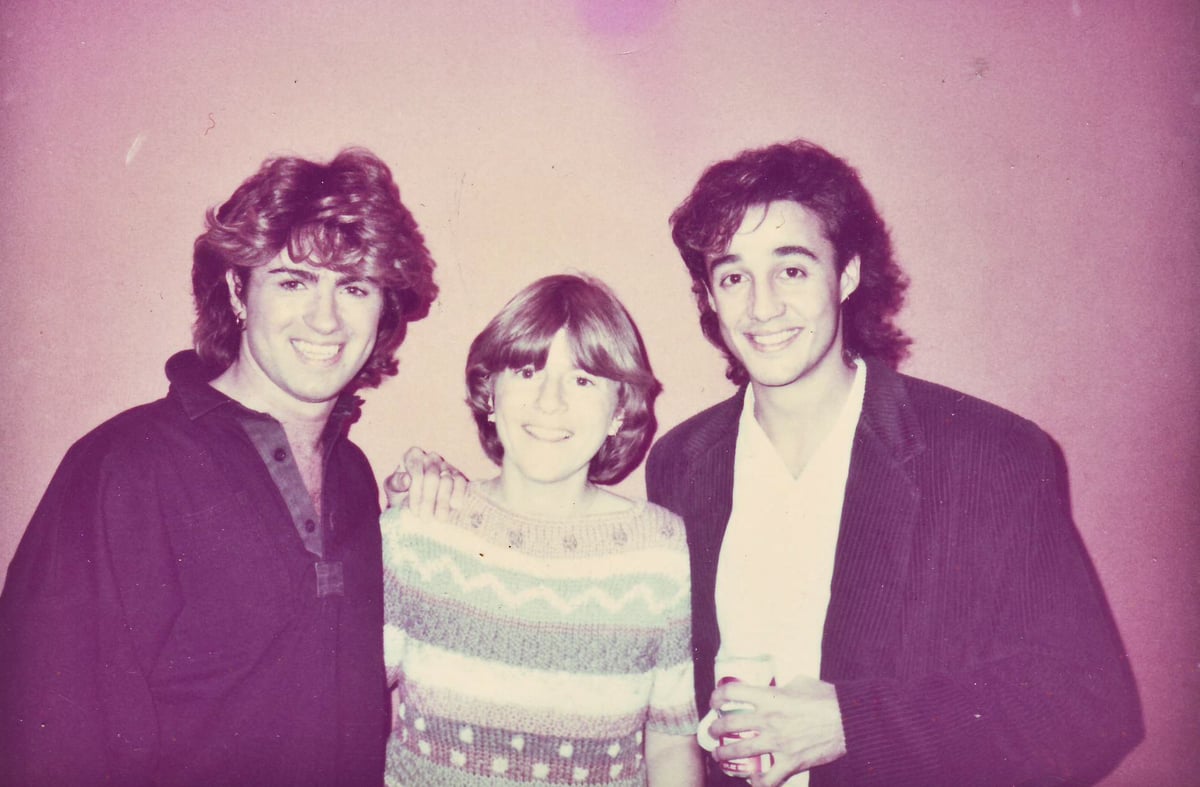
A documentary about Wham!‘s 1985 China tour has apparently unlocked a generational code. The band’s visit to Beijing is now being weaponized by influencers as proof that nostalgia, when properly monetized, requires zero actual substance.
The mechanics are simple: reference Wham!, claim emotional transformation, film yourself doing something mildly inconvenient, tag it #WamEnergy. Millions of views follow. The irony—that a band famous for precisely crafted pop hooks is now being used as a blunt instrument for algorithmic engagement—seems lost on everyone involved.
Why has a 41-year-old concert become TikTok currency for people born decades after it happened? Because claiming ancestral cultural moments requires no verification. You don’t need to have seen Wham! live. You don’t need to own a Wham! album. You need a ring light, a script about “connection across generations,” and the willingness to treat historical events as aesthetic templates.
The documentary itself is earnest—interviews with people genuinely moved by the performance, footage of cultural barriers dissolving through pop music. Perfectly reasonable. The influencer ecosystem took that sincerity and turned it into a template: borrow the emotional gravity, strip out the actual content, repeat until algorithm saturation.
George Michael broke barriers in 1985. In 2026, his legacy is a hashtag that means nothing and requires no evidence. The documentary’s real tragedy isn’t what it reveals about Wham!‘s impact. It’s what it reveals about how quickly authentic moments become raw material for the content-hungry.