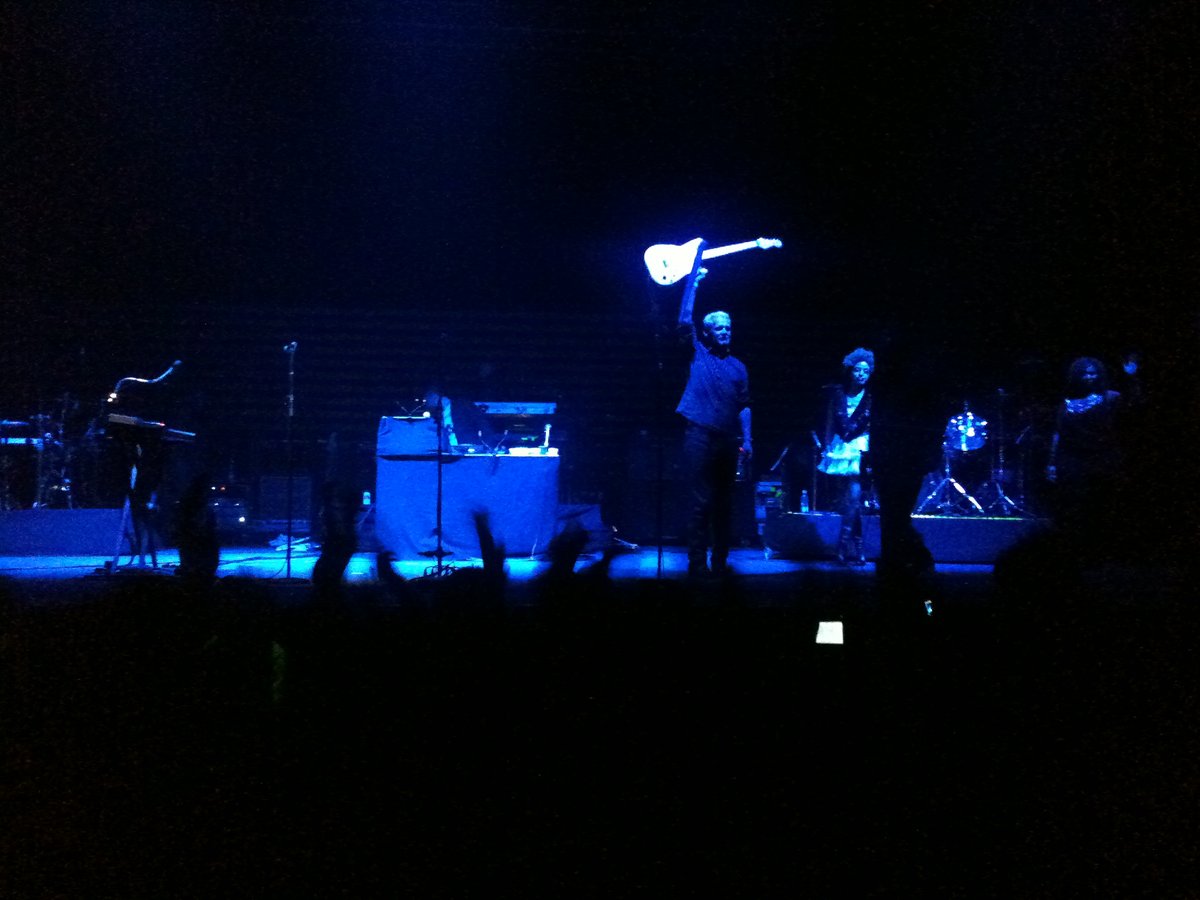
Massive Attack is shocked—genuinely shocked—that Singapore banned them for shouting ‘free Palestine’ at a concert. The UK electronic band expressed surprise and disappointment at their treatment, as if they had merely commented on the weather and not invoked one of the planet’s most contentious geopolitical flashpoints during a sold-out show.
The band’s response reveals the peculiar bind of the modern celebrity: say nothing and get called complicit; say something and get banned from an entire city-state. Singapore’s government, which treats political speech the way a Victorian nanny treats profanity, simply could not abide the disruption. The band’s crime was not violence or incitement—it was making the audience uncomfortable by reminding them that they existed in a world with problems.
Massive Attack seems genuinely baffled that a geopolitical statement at a concert could have geopolitical consequences. They are “surprised and disappointed,” which is what you say when someone eats your sandwich, not when you’ve been ejected from a country for political speech. The band’s implicit argument—that artists should be able to say whatever they want without facing state-level consequences—is both correct and naive enough to power a small wind turbine.
Singapore’s response is the authoritarian equivalent of a customer review: “Great show, but the politics were too political.” The irony is that banning them over a Palestine statement only amplifies the statement. Massive Attack did not need to shout anything else. Singapore did the marketing for them.
Welcome to 2026, where artists are still learning that free speech and freedom from consequences are not the same thing, and governments are still learning that bans generate exactly the opposite of silence.