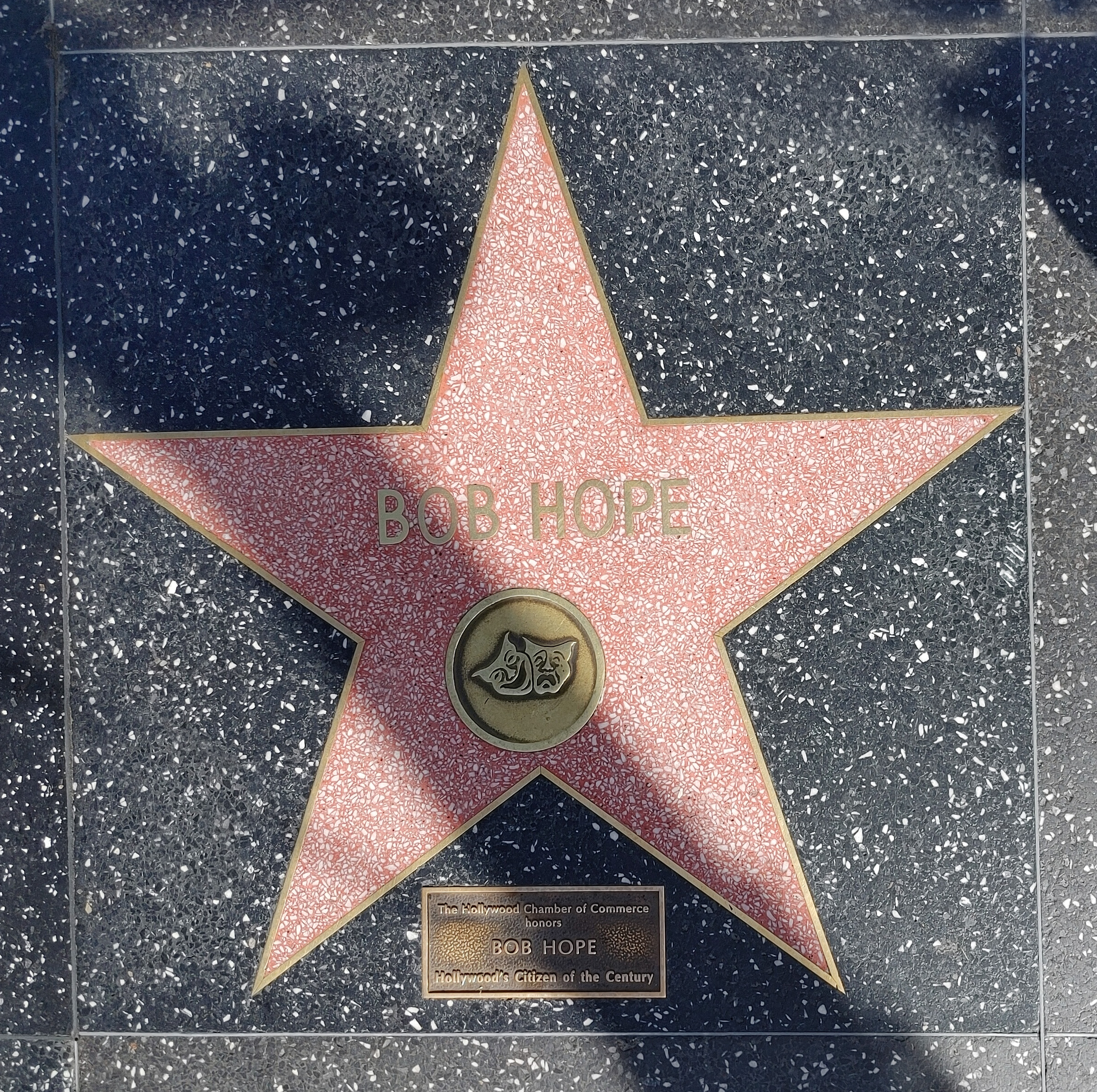
Harlesden has launched a reggae walk of fame to celebrate the genre’s pioneers and the Windrush generation who built the scene. The plaques are brass. The artists are mostly dead or broke.
This is what we do now instead of paying people. We wait until they’ve stopped asking for royalties, then we bronze their names into the pavement so tourists can step on them while checking their phones. It’s called heritage. It’s also called having your cake, not sharing it, and then erecting a monument to the cake.
The walk celebrates reggae’s contribution to London culture—a contribution that generated billions in global revenue while the musicians who created it fought for studio time and fought harder for publishing rights they’d never own. Some of the honorees are still alive, which is nice. They can attend the opening and stand in the rain while local councillors explain how grateful they should be for the recognition.
Why does Britain always wait until cultural figures are safely historical before treating them like they mattered? Because it’s cheaper. A plaque costs less than a living wage, a pension, or actual respect paid in real time.
The walk is a genuine celebration of reggae’s roots in Harlesden and the Caribbean diaspora that shaped it. The irony is just that—a walk of fame for people who walked these streets with nothing, and are now immortalized in concrete for having survived it. The brass will need polishing. The artists needed paying.