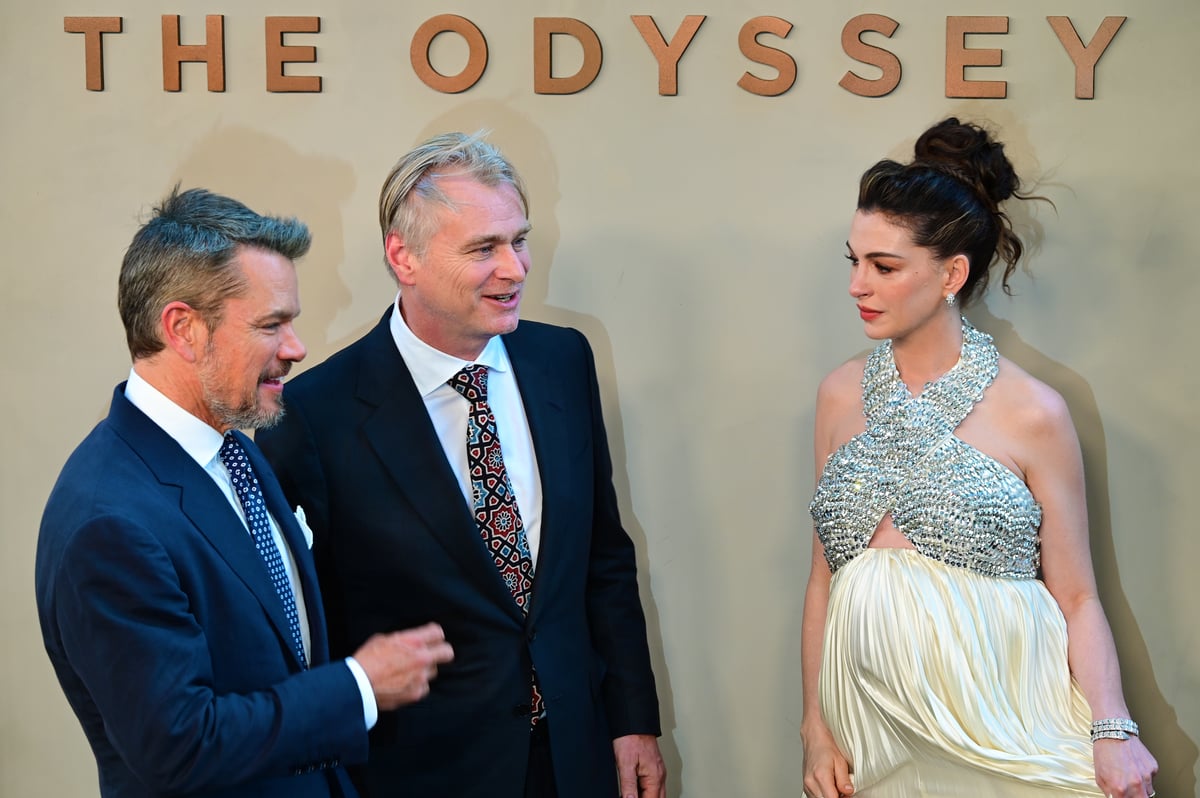
A blockbuster film adaptation of Homer’s The Odyssey has triggered a sudden spike in sales of the original text—a phenomenon that would be heartwarming if it weren’t so depressing. Audiences who watched Odysseus get CGI-rendered across two hours and forty minutes have now discovered that books exist, and some of them contain the same story.
The audiobook versions are selling particularly well, which makes sense: if you needed a $200 million film to care about ancient Greek literature, you’re probably not going to sit down with the Fagles translation. You need someone to read it to you while you’re doing something else.
What’s remarkable is that nobody seems bothered by the logical inversion here. The source material—written 2,800 years ago, studied in schools for centuries, the foundation of Western narrative structure—required a film to become relevant to modern readers. Not because the film was exceptional or revelatory, but because the film existed and had a release date and a marketing budget.
The readers now discovering Homer are not actually discovering Homer. They’re discovering a 2026 interpretation of Homer filtered through contemporary action-movie pacing, simplified character arcs, and whatever notes the studio notes process could fit into a theatrical runtime. They’re reading the original while still thinking in the film’s vocabulary.
Sales numbers are climbing. Publishers are thrilled. Nobody’s asking whether appreciation born from a film trailer actually counts as appreciation, or if it’s just consumption with extra steps. The answer is obvious and nobody cares.