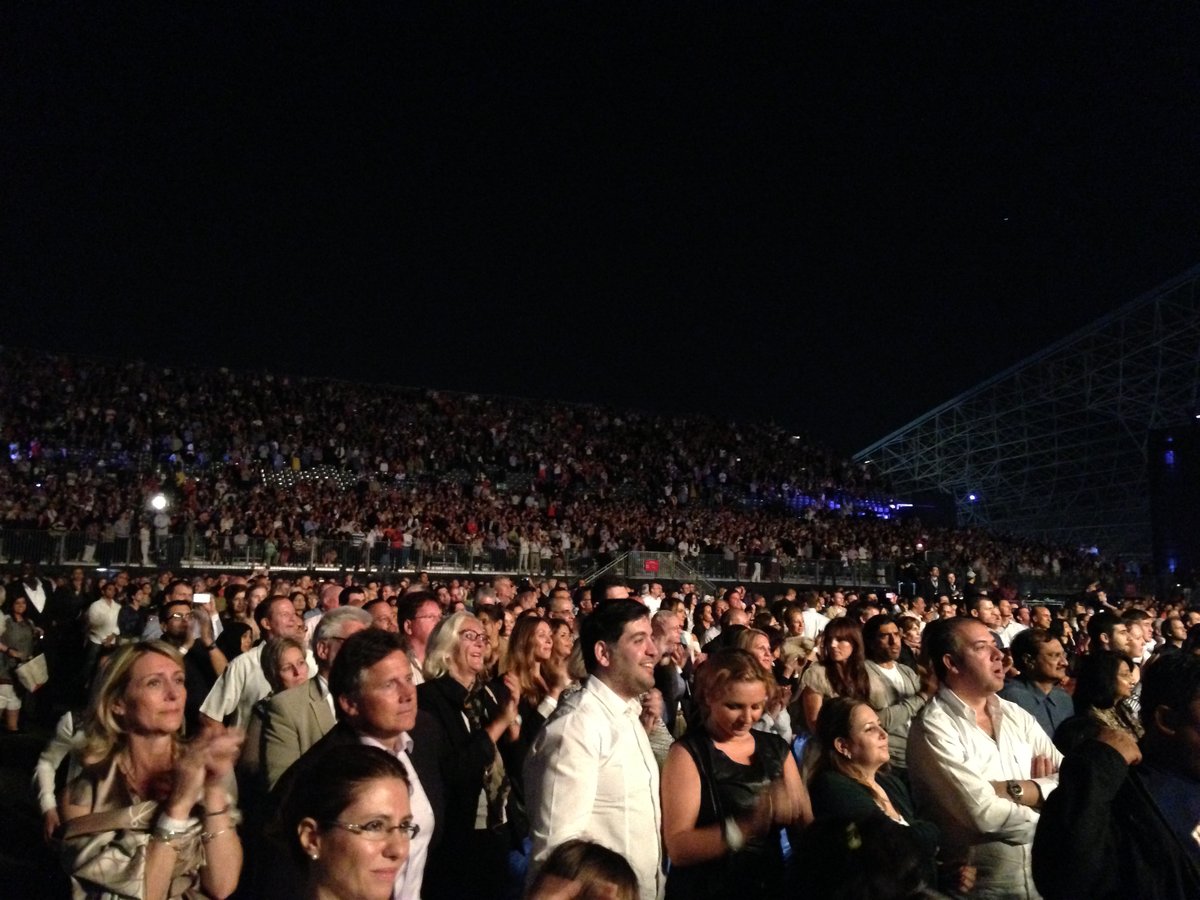
Ed Sheeran’s US fans have discovered that attending a concert now requires the moral clarity of a UN ethics committee. With shows this weekend, ticket holders are genuinely torn between hearing “Shape of You” and maintaining whatever principles they’ve assembled during a Macklemore controversy nobody asked them to adjudicate.
The math is simple: you paid $200 for a seat. You want to sit in it. But somewhere between the parking lot and the opening act, you’ve decided that your presence constitutes a referendum on something Ed Sheeran may or may not have done, said, or been photographed near. The ticket stub has become a moral document. It now requires footnotes.
Why are concertgoers suddenly expected to cross-reference artist controversies like they’re auditing a compliance department? Because social media has transformed fandom into performance art where the real show happens in the replies. Attending a concert used to mean you liked the music. Now it means you’ve workshopped your justification.
The absurdity reaches its peak when fans realize they’re not actually upset about Ed Sheeran—they’re upset about the meta-question of whether they should be upset, and whether their ticket purchase broadcasts their answer to strangers who will forget about it by Monday. The concert will be fine. The music will be the same. But the fan experience now includes an optional existential crisis.
This is what happens when moral seriousness collides with pop culture. Nobody wins. The only real loser is the person who paid for a ticket expecting to just enjoy a concert.