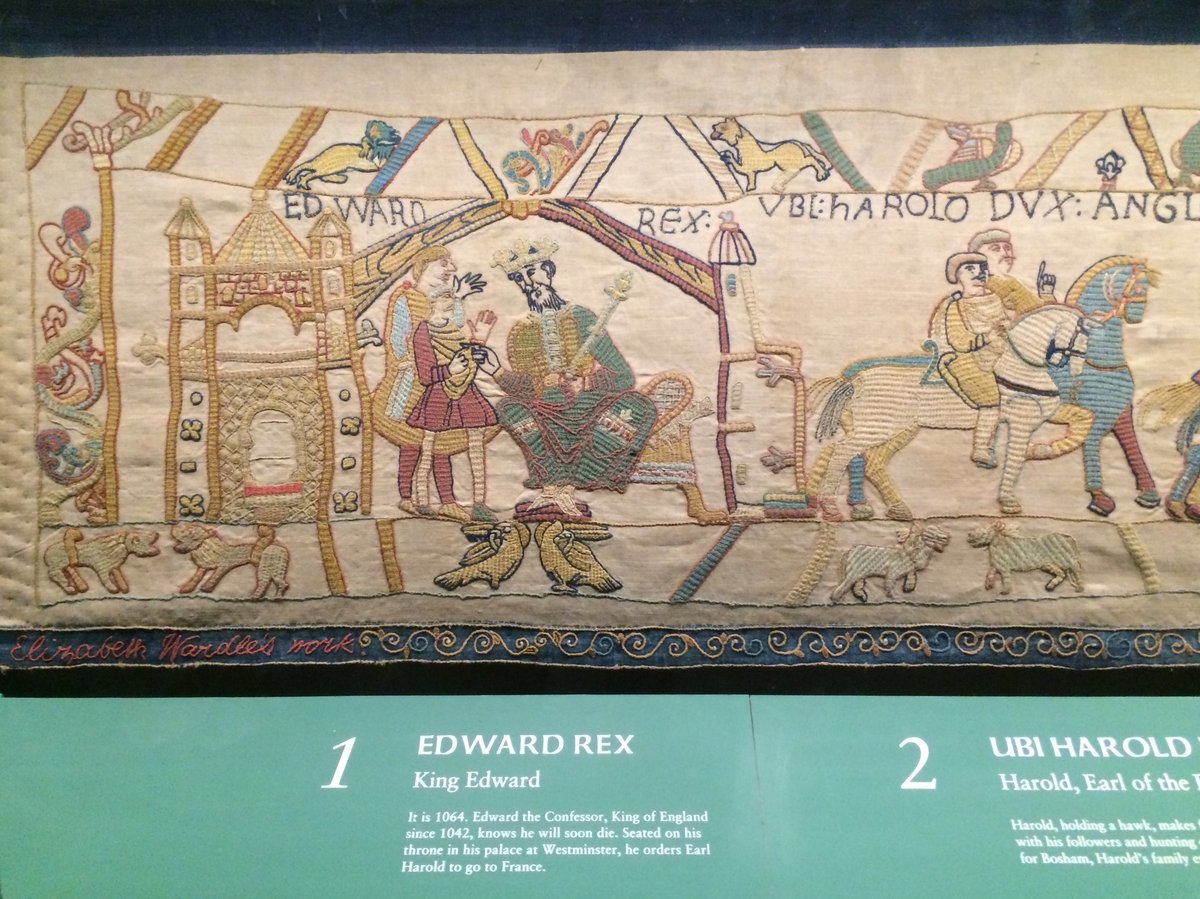
The British Museum has finally solved the Bayeux Tapestry problem: ban the cameras. Visitors were taking photographs of the 68-meter medieval embroidery, which apparently created a bottleneck of humans who wanted to see an actual historical artifact instead of staring at the back of someone’s phone.
The institution’s solution is pure institutional logic. Rather than accept that people want to document their presence at a thing, the museum has decided the thing itself is the problem. The tapestry—which survived the Norman Conquest, centuries of warfare, and the British Museum’s general indifference to returning stolen goods—cannot survive Instagram.
So now visitors will queue, arrive at the glass case, and contemplate the embroidery in silence while their phones remain pocketed. The museum’s stated concern was flow. The actual concern was probably that TikTok engagement metrics look bad when your audience is physically present but mentally absent. Why have visitors experience history when you can have them experience the absence of history while standing directly in front of it.
The irony is flawless. A medieval artifact created to commemorate conquest is now being conquered by the institution that houses it, defeated not by time or fire but by the simple fact that humans want proof they were there. The tapestry survived 960 years. It lasted three weeks after becoming a viral moment.
The museum will now sell high-quality photographs in the gift shop for £18.99.